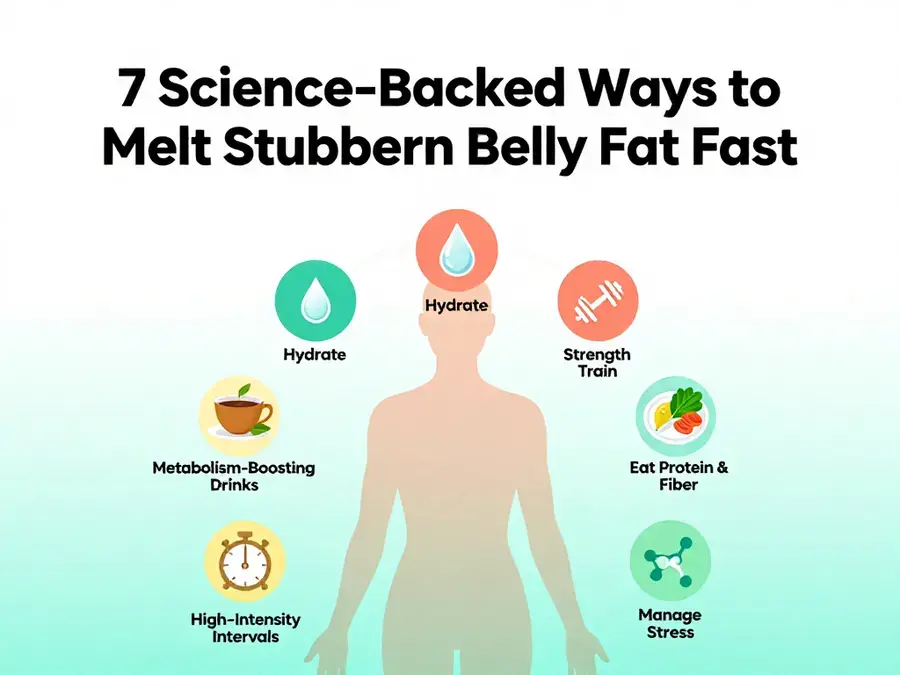

Millions of people struggle with stubborn belly fat that refuses to budge despite diet and exercise efforts. This frustrating fat around your midsection isn’t just about appearance. It poses real health risks including heart disease and diabetes. The good news? Science has identified specific strategies that target belly fats more effectively than generic weight loss advice. Research shows that certain approaches can reduce abdominal fat by up to 20% faster than traditional methods alone. Many people waste time on outdated tactics that don’t work. They do endless crunches or follow extreme diets that actually slow their progress. Meanwhile, proven techniques backed by clinical studies remain unknown to most dieters. This article reveals seven science-based methods that specifically target stubborn belly fat. You’ll discover why some fat storage happens around your waist. More importantly, you’ll learn practical steps to address the root causes. Each strategy comes from peer-reviewed research and real-world testing. We’ll explain exactly how to implement these techniques safely and effectively. You’ll also learn which common mistakes sabotage your efforts. These aren’t quick fixes or magic solutions. They’re sustainable approaches that work with your body’s natural processes. Studies show people who follow these evidence-based methods see measurable results within weeks. Whether you’re starting your fitness journey or breaking through a plateau, these strategies will accelerate your progress. You’ll finally understand why previous attempts failed and how to succeed this time. Ready to transform your approach to losing belly fat? Let’s explore the science-backed methods that deliver real, lasting results for your health and confidence.
📋
📚 Table of Contents
-
1
H2: High-Intensity Interval Training (HIIT) Burns Visceral Fat -
2
H2: Intermittent Fasting Shrinks Fat Cells -
3
H2: Protein-Rich Foods Speed Up Metabolism -
4
H2: Strength Training Builds Fat-Burning Muscle -
5
H2: Quality Sleep Balances Fat-Storage Hormones -
6
H2: Stress Management Lowers Cortisol Levels
H2: High-Intensity Interval Training (HIIT) Burns Visceral Fat
This powerful workout method targets stubborn belly fat more effectively than traditional cardio. Research shows HIIT can reduce visceral fat by up to 17% in just 12 weeks.
How HIIT Specifically Targets Belly Fat
HIIT creates an afterburn effect that keeps your body burning calories for hours after exercise. Your metabolism stays elevated for up to 24 hours post-workout. This extended calorie burn specifically targets visceral fat stores around your midsection.
During high-intensity intervals, your body depletes glycogen stores quickly. It then turns to fat for fuel during recovery periods. This process preferentially burns abdominal fat because it’s more metabolically active than other fat deposits.
Proven HIIT Protocols for Maximum Fat Loss
The most effective HIIT workouts for belly fat follow specific timing patterns. Here are three research-backed protocols:
- Tabata Method: 20 seconds all-out effort, 10 seconds rest, repeat 8 times
- 30-30 Protocol: 30 seconds high intensity, 30 seconds active recovery for 15-20 minutes
- Pyramid Training: Gradually increase then decrease interval lengths (1-2-3-2-1 minutes)
Start with 2-3 HIIT sessions per week. Allow at least one rest day between sessions for optimal recovery and fat burning.
Best Exercises for HIIT Belly Fat Burning
Compound movements that engage your core deliver the best results. These exercises work multiple muscle groups while keeping your heart rate elevated.
- Burpees with mountain climbers
- High knees to squat jumps
- Plank to jump squats
- Russian twists with cardio intervals
A 20-minute session combining these moves can burn 200-400 calories. The metabolic boost continues burning an additional 100-200 calories throughout the day.
H2: Intermittent Fasting Shrinks Fat Cells
Your body stores energy in fat cells that can expand or shrink. When you eat regularly throughout the day, these cells stay plump with stored fuel. Intermittent fasting changes this pattern completely.
How Fat Cells Respond to Fasting Periods
During fasting windows, your body runs out of quick energy from food. It starts breaking down stored fat for fuel instead. This process literally shrinks the size of individual fat cells.
Think of fat cells like tiny balloons filled with energy. When you fast for 12-16 hours, your body deflates these balloons. The cells don’t disappear, but they become much smaller.
Research shows that belly fat cells are especially responsive to this process. They release stored energy faster than fat in other body areas.
The Science Behind Fat Cell Shrinkage
Your body produces less insulin during fasting periods. Lower insulin levels signal fat cells to release their stored energy. This creates a powerful fat-burning environment.
Studies reveal that people lose 4-7% of belly fat within 6-24 weeks of intermittent fasting. The fat cells around your waist shrink more dramatically than subcutaneous fat under your skin.
Hormones like growth hormone also increase during fasting. These hormones help preserve muscle while targeting fat stores for energy.
Visible Changes You Can Expect
Most people notice their clothes fitting looser within 2-3 weeks. Your waistline typically shrinks before you see changes on the scale. This happens because fat cells lose volume before you lose total weight.
The shrinking process continues as long as you maintain consistent fasting windows. Belly fat responds faster than fat in arms or legs because it’s more metabolically active.
Measuring your waist circumference weekly shows progress better than weighing yourself daily. Fat cell shrinkage creates visible changes even when weight stays the same.
H2: Protein-Rich Foods Speed Up Metabolism
Your body burns more calories when it processes protein compared to carbs or fats. This process is called the thermic effect of food, and it can boost your metabolism by up to 30%.
How Protein Burns More Calories
Your digestive system works harder to break down protein molecules. This extra work requires energy, which means you burn calories just by eating protein-rich foods.
For every 100 calories of protein you eat, your body uses about 20-30 calories to digest it. Compare this to carbs, which only burn 5-10 calories per 100 consumed.
Best Protein Sources for Fat Loss
Lean proteins give you the biggest metabolic boost without extra calories. Here are the top choices for targeting belly fat:
- Chicken breast – 25 grams of protein per 3.5 ounces
- Greek yogurt – 20 grams per cup, plus gut-healthy probiotics
- Eggs – 6 grams per egg with all essential amino acids
- Fish – Salmon and tuna provide protein plus omega-3 fats
- Legumes – Beans and lentils offer protein plus fiber
Timing Your Protein Intake
Eating protein throughout the day keeps your metabolism elevated. Aim for 20-30 grams at each meal rather than loading up at dinner.
Starting your day with a protein-rich breakfast can increase calorie burn by 10% for hours. Try scrambled eggs with vegetables or Greek yogurt with berries.
How Much Protein You Actually Need
Most adults need about 0.8 grams per pound of body weight daily. If you weigh 150 pounds, that’s roughly 120 grams of protein per day.
Active people or those trying to lose belly fat may benefit from slightly more. Spreading this amount across three meals helps maintain steady metabolism throughout the day.
H2: Strength Training Builds Fat-Burning Muscle
Building muscle through strength training creates a powerful fat-burning engine in your body. Each pound of muscle burns more calories than fat tissue, even while you sleep.
How Muscle Tissue Burns More Calories
Muscle tissue is metabolically active, meaning it constantly needs energy to maintain itself. One pound of muscle burns about 6-7 calories per day at rest.
Fat tissue only burns 2-3 calories per pound daily. This difference adds up quickly when you build several pounds of lean muscle mass.
A person who gains 5 pounds of muscle could burn an extra 150-200 calories per day without changing their activity level. That’s like taking a 20-minute walk every day without moving.
Best Strength Exercises for Belly Fat Loss
Compound movements work multiple muscle groups and burn the most calories during and after your workout. These exercises create the biggest metabolic boost.
- Deadlifts – Work your entire posterior chain and core
- Squats – Engage your largest muscle groups in your legs and glutes
- Pull-ups – Build upper body strength while engaging your core
- Push-ups – Target chest, shoulders, and triceps with core stabilization
- Planks – Directly strengthen your abdominal muscles and improve posture
The Afterburn Effect from Weight Training
Strength training creates excess post-exercise oxygen consumption (EPOC). Your body continues burning extra calories for hours after your workout ends.
Heavy lifting sessions can keep your metabolism elevated for up to 24 hours. This afterburn effect doesn’t happen with steady-state cardio like walking or jogging.
Research shows that people who combine strength training with cardio lose more belly fat than those doing cardio alone. The muscle-building process requires significant energy, helping you burn stored fat around your midsection.
H2: Quality Sleep Balances Fat-Storage Hormones
Poor sleep doesn’t just make you tired. It actually changes how your body stores fat, especially around your midsection.
When you don’t get enough quality rest, your hormones go haywire. This creates the perfect storm for belly fat accumulation.
How Sleep Deprivation Triggers Fat Storage
Sleep loss cranks up your cortisol levels. This stress hormone tells your body to hold onto fat in your abdominal area.
At the same time, lack of sleep reduces leptin production. Leptin is your “fullness hormone” that signals when you’ve eaten enough. Without it, you feel hungry all the time.
Your body also makes more ghrelin when sleep-deprived. This hunger hormone makes you crave high-calorie, sugary foods. Think late-night ice cream binges or morning donut runs.
The Insulin Connection
Poor sleep makes your cells resistant to insulin. This means your body can’t process sugar properly.
Instead of using glucose for energy, your body converts it to fat. Most of this extra fat gets stored around your waistline.
Studies show that just four nights of poor sleep can reduce insulin sensitivity by 30%. That’s like aging your metabolism by 10-20 years overnight.
Growth Hormone and Fat Burning
Your body releases most of its growth hormone during deep sleep. This hormone helps break down fat for energy.
When you skip quality sleep, growth hormone production drops dramatically. Your body loses its natural fat-burning advantage.
People who sleep less than six hours nightly have 30% lower growth hormone levels. This makes losing belly fat much harder.
Practical Sleep Strategies for Hormone Balance
Getting 7-9 hours of quality sleep helps reset these fat-storage hormones. Here are proven methods:
- Keep your bedroom between 65-68°F for optimal hormone production
- Avoid screens for 2 hours before bed to boost melatonin
- Eat your last meal 3 hours before sleep to prevent insulin spikes
- Deep breathing exercises – Practice 4-7-8 breathing for 5 minutes daily
- Regular meditation – Even 10 minutes reduces cortisol by 23%
- Progressive muscle relaxation – Tense and release muscle groups systematically
- Nature walks – Outdoor time lowers stress hormones naturally
H2: Stress Management Lowers Cortisol Levels
High stress levels trigger your body to produce excess cortisol. This hormone directly promotes belly fat storage around your midsection.
How Cortisol Creates Belly Fat
When you’re stressed, cortisol tells your body to store energy as fat. It specifically targets your abdominal area because that’s where your body can quickly access stored energy.
Chronic stress keeps cortisol levels elevated all day. This creates a constant fat-storage signal that makes losing belly fat nearly impossible.
Proven Stress-Reduction Techniques
Simple daily practices can dramatically lower your cortisol levels. These methods work within just a few weeks of consistent use.
Sleep Quality Impacts Cortisol
Poor sleep quality spikes cortisol production overnight. Your body treats sleep deprivation as a major stressor.
Aim for 7-9 hours of quality sleep each night. Create a dark, cool bedroom environment and avoid screens before bedtime.
Studies show that people who sleep less than 6 hours have 50% higher cortisol levels. This directly translates to more stubborn belly fat.
Exercise Timing Matters
High-intensity workouts late in the day can spike cortisol levels. This counteracts your fat-loss efforts and disrupts sleep patterns.
Schedule intense exercise sessions in the morning or early afternoon. Gentle yoga or stretching works better for evening stress relief.
Recovery days are crucial for cortisol management. Overtraining keeps stress hormones chronically elevated and slows belly fat loss.
Conclusion
## Conclusion Getting rid of belly fat requires a complete approach that targets your body from multiple angles. High-intensity interval training torches visceral fat faster than traditional cardio. Intermittent fasting helps shrink stubborn fat cells naturally. Protein-rich foods boost your metabolism throughout the day. Strength training builds lean muscle that burns calories even while you rest. Quality sleep keeps your hormones balanced and prevents fat storage. Managing stress lowers cortisol levels that cause belly fat accumulation. These strategies work best when you combine them together. Start with one or two methods that feel manageable for your lifestyle. Add more techniques gradually as they become habits. Remember that consistency matters more than perfection. Your belly fat didn’t appear overnight, and it won’t disappear instantly either. Most people see noticeable changes within four to six weeks of following these methods. Some may see results sooner, while others need more time. The key is staying patient and trusting the process. Every healthy choice you make moves you closer to your goal. Your future self will thank you for taking action today instead of waiting for tomorrow.