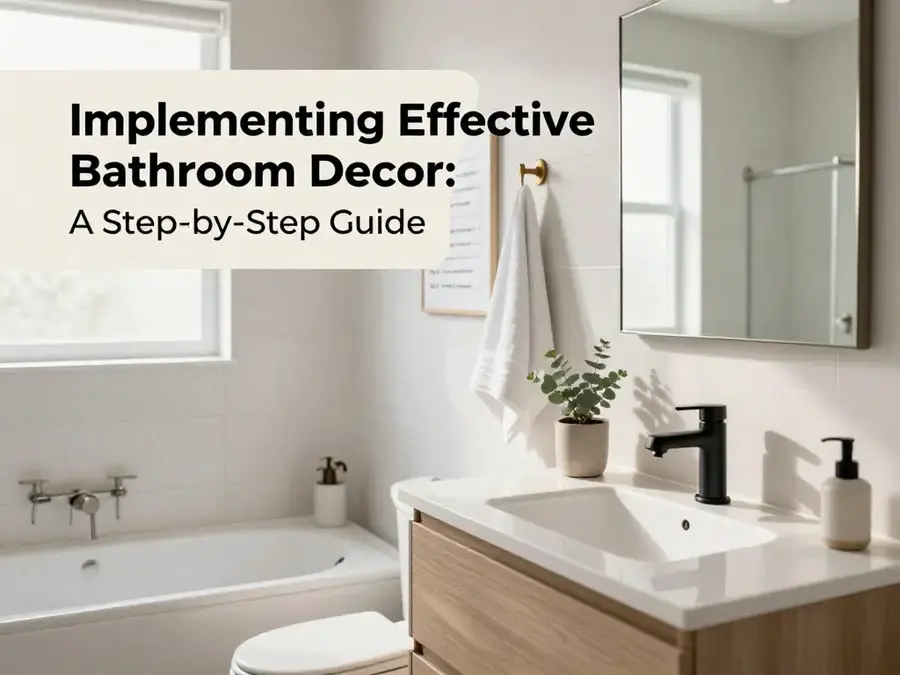

Many homeowners struggle with creating a cohesive, stylish bathroom that feels both functional and inviting. Poor bathroom decor choices can make even the most expensive renovations feel cheap and uninspiring. You might have beautiful fixtures but still feel disappointed every time you walk into your bathroom. The good news is that effective bathroom decor follows proven principles that anyone can master. With the right approach, you can transform your bathroom into a space that rivals those featured in design magazines. Studies show that well-designed bathrooms can increase home value by up to 5%, making smart decor choices both personally and financially rewarding. This comprehensive guide will walk you through every essential step of implementing effective bathroom decor. You’ll discover how to choose color schemes that make small spaces feel larger. We’ll compare different storage solutions to maximize both function and style. You’ll learn which lighting options create the perfect ambiance for daily routines and relaxing baths. We’ll also examine popular decor styles side by side, helping you identify which approach best suits your space and budget. From modern minimalist designs to classic traditional looks, you’ll understand the key elements that make each style successful. Plus, you’ll get practical tips for avoiding common mistakes that can derail even the best-planned bathroom makeovers. Whether you’re working with a powder room or a master bathroom, this step-by-step approach will give you the confidence to create bathroom decor that truly reflects your personal style while enhancing your daily life.
🏗️
📚 Table of Contents
Planning Your Bathroom Decor Style and Budget
Smart planning saves both money and regret later. Your style choice affects every purchase decision you’ll make.
Choosing Your Design Direction
Start by browsing magazines and Pinterest for 30 minutes. Save images that make you smile instantly. Notice patterns in your favorites.
Popular styles include modern minimalist, farmhouse rustic, and spa-inspired zen. Each requires different materials and color schemes. Modern uses clean lines and neutral tones.
Farmhouse embraces wood textures and vintage fixtures.
Consider your home’s existing style too. A sleek contemporary bathroom might clash with a traditional colonial house.
Setting a Realistic Budget Range
Most homeowners spend $5,000 to $15,000 on bathroom updates. Small refreshes cost $1,000 to $3,000. Full renovations can reach $25,000 or more.
Break your budget into categories:
- Fixtures and hardware: 40-50% of total budget
- Paint and wall treatments: 15-20%
- Accessories and decor: 20-25%
- Unexpected costs buffer: 10-15%
Always add a cushion for surprises. Hidden plumbing issues or perfect-but-pricey finds happen often.
Prioritizing High-Impact Changes
Focus money on elements you see and touch daily. A beautiful vanity mirror creates instant impact for under $200.
Paint delivers the biggest bang for your buck. One weekend and $50 in supplies can completely transform your space. New lighting fixtures follow closely behind.
Save splurges for items you’ll use frequently. A luxurious shower curtain or plush bath mat feels special every day. Decorative soap dispensers look nice but don’t improve daily life much.
Choosing the Right Color Schemes and Materials
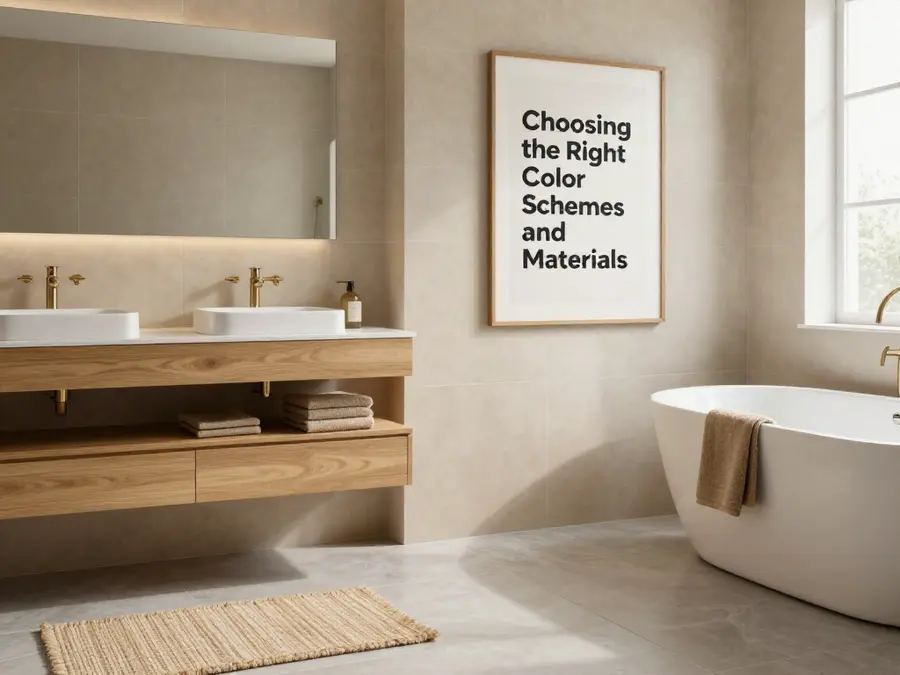
Your color and material choices set the foundation for everything else in your bathroom. These decisions impact both the visual appeal and long-term functionality of your space.
Popular Color Palettes That Actually Work
Neutral tones remain the safest choice for most homeowners. Whites, grays, and beiges create a timeless backdrop that won’t feel outdated in five years.
Bold accent colors work best in small doses. Consider navy blue vanities or forest green tiles as statement pieces. These deeper shades add personality without overwhelming the space.
- Soft blues and greens create a spa-like atmosphere
- Warm grays pair beautifully with brass fixtures
- Crisp whites make small bathrooms feel larger
- Earth tones like terracotta add warmth and character
Material Selection for Different Budgets
High-end materials like natural stone and hardwood deliver stunning results. Marble countertops and teak accents create luxury hotel vibes. However, these options require significant investment and ongoing maintenance.
Budget-friendly alternatives can look surprisingly sophisticated. Quartz countertops mimic marble at half the cost. Luxury vinyl planks replicate hardwood without water damage concerns.
- Ceramic tiles offer durability at reasonable prices
- Laminate countertops now come in realistic stone patterns
- Painted MDF cabinets cost less than solid wood
- Acrylic shower surrounds require minimal maintenance
Coordinating Colors and Textures Successfully
The 60-30-10 rule prevents color chaos in your bathroom. Use your main color for 60% of surfaces, a secondary shade for 30%, and a bold accent for the remaining 10%.
Mixing textures adds visual interest without clashing colors. Smooth subway tiles pair well with rough natural stone. Glossy vanities balance matte wall paint beautifully.
Test your combinations before committing. Paint small wall sections and gather material samples. View them under different lighting conditions throughout the day.
Essential Bathroom Decor Elements and Accessories
The right accessories can transform your bathroom from basic to beautiful. Small details make the biggest impact on your overall design.
Must-Have Functional Accessories
Start with pieces that serve both form and function. A stylish soap dispenser eliminates plastic bottles cluttering your counter. Choose materials like brushed brass or matte black to match your fixtures.
Towel bars and hooks need strategic placement. Install them within arm’s reach of your shower or tub. Consider heated towel racks for a luxury hotel feel.
- Quality bath mats that complement your color scheme
- Coordinated toothbrush holders and soap dishes
- Attractive storage baskets for toiletries
- Shower caddies that don’t rust or fall
Decorative Elements That Add Personality
Artwork brings life to bathroom walls. Choose pieces with moisture-resistant frames or canvas prints. Abstract prints work well in modern spaces.
Plants thrive in humid bathroom environments. Snake plants and pothos need minimal light. Place them on floating shelves or window sills for natural beauty.
Candles create instant ambiance for relaxing baths. Use flameless options near water areas for safety. Group different heights together on a decorative tray.
Smart Storage Solutions
Over-toilet cabinets maximize vertical space without major renovations. Choose styles that match your existing cabinetry. White or natural wood finishes work in most bathrooms.
Drawer organizers keep small items tidy and accessible. Bamboo dividers look clean and resist moisture damage. Label sections for family members to maintain organization.
- Medicine cabinet upgrades with LED lighting
- Corner shelves for unused wall space
- Under-sink organizers for cleaning supplies
- Wall-mounted magazine racks
Remember that less is often more in small bathrooms. Choose a few high-quality pieces rather than cluttering surfaces with many items.
Lighting and Mirror Selection for Maximum Impact
The right lighting and mirrors can completely transform your bathroom’s atmosphere. These elements work together to create depth, brightness, and visual appeal.
Choosing the Perfect Lighting Setup
Layer your lighting for the best results. Start with overhead fixtures for general illumination. Add task lighting around mirrors for grooming activities.
Vanity lights should be placed at eye level, about 75-80 inches from the floor. This prevents harsh shadows on your face. Wall sconces on either side of the mirror work better than a single fixture above.
Consider these popular lighting options:
- LED strip lights behind mirrors for a modern glow
- Pendant lights for dramatic focal points
- Recessed lighting for clean, minimalist looks
- Chandelier fixtures for luxury bathroom designs
Mirror Styles That Make a Statement
Your mirror choice affects how spacious your bathroom feels. Large mirrors reflect more light and make small spaces appear bigger. Round mirrors soften angular bathroom designs.
Frameless mirrors create sleek, contemporary vibes. Ornate frames add traditional elegance. Backlit mirrors combine lighting and reflection in one stunning piece.
Popular mirror trends include:
- Oversized rectangular mirrors for double vanities
- Circular mirrors with brass or black frames
- Medicine cabinets with integrated lighting
Maximizing Light Reflection and Space
Position mirrors opposite windows when possible. This doubles natural light throughout the day. Multiple mirrors can create interesting visual effects in larger bathrooms.
Choose warm white LED bulbs (2700K-3000K) for flattering skin tones. Cool white lights work well for task areas but can feel harsh for relaxation.
Dimmer switches let you adjust lighting for different activities. Bright light works for morning routines. Softer lighting creates spa-like evening ambiance.
Step-by-Step Implementation Process
Now that you’ve chosen your style and gathered materials, it’s time to transform your bathroom step by step. A systematic approach prevents costly mistakes and ensures professional results.
Planning Your Timeline and Budget
Start by creating a realistic timeline for your project. Small updates like new towels and artwork take 1-2 days. Larger changes involving paint or fixtures need 1-2 weeks.
Set aside 20% extra budget for unexpected expenses. A $500 bathroom refresh should have a $100 buffer. This covers items like extra paint or upgraded hardware you discover along the way.
Preparing Your Space for Updates
Remove all existing decor and accessories first. Clean surfaces thoroughly with appropriate cleaners. This gives you a blank canvas to work with.
Protect floors and fixtures with plastic sheeting if painting. Turn off water valves before replacing any plumbing fixtures. Safety first – ensure proper ventilation when using chemical cleaners or paint.
Installation Order That Works
Follow this proven sequence to avoid redoing work:
- Paint walls and ceiling before installing new fixtures
- Install lighting and mirrors while walls are accessible
- Add storage solutions like shelves or cabinets
- Place textiles and accessories as final touches
For example, hang your new mirror before adding the decorative shelf below it. This prevents scratching the mirror during shelf installation.
Final Touches and Quality Check
Step back and evaluate your work with fresh eyes. Check that all fixtures are secure and level. Test new lighting to ensure proper brightness.
Add your final accessories like plants, candles, or artwork. These elements bring personality and warmth to your newly decorated space. Take photos to document your successful transformation.
Common Bathroom Decor Mistakes to Avoid
Even experienced decorators make simple mistakes that can ruin their bathroom’s potential. These common errors often happen when we rush decisions or follow outdated trends.
Choosing the Wrong Scale and Proportions
Oversized fixtures in small bathrooms create cramped, uncomfortable spaces. A massive vanity might look stunning in the showroom but overwhelm your 5×8 powder room.
Tiny accessories get lost in larger bathrooms and look insignificant. That delicate soap dispenser disappears completely on your double vanity countertop.
Scale your choices to your space size. Measure twice, buy once. Consider how each piece relates to your room’s dimensions before purchasing.
Ignoring Proper Lighting Layers
Relying on one overhead light creates harsh shadows and unflattering illumination. Your morning routine suffers when you can’t see properly in the mirror.
Successful bathroom lighting needs three layers:
- Ambient lighting for overall room illumination
- Task lighting around mirrors for grooming
- Accent lighting to highlight decorative features
Dimmer switches add flexibility for different times of day. Install sconces at eye level beside mirrors, not above them.
Neglecting Storage and Functionality
Beautiful bathrooms lose their appeal when toiletries clutter every surface. Form without function creates daily frustration and stress.
Plan storage before selecting decorative elements. Built-in niches, medicine cabinets, and vanity drawers keep essentials organized and accessible.
Consider your family’s actual needs, not just Instagram-worthy looks. That floating shelf might look minimal, but where will you store towels and cleaning supplies?
Following Trends Without Considering Longevity
Trendy colors and patterns become dated quickly in permanent fixtures. That bold geometric tile might feel overwhelming after six months.
Invest in neutral foundations for expensive elements like tile and fixtures. Add personality through easily changeable accessories, artwork, and textiles instead.
Conclusion
Creating a beautiful bathroom doesn’t have to be overwhelming or expensive. With careful planning and smart choices, you can transform this essential space into a personal retreat. Remember that your color scheme sets the foundation for everything else. Choose materials that balance style with practicality for long-lasting results. Focus on the elements that make the biggest impact first. Good lighting and the right mirror can completely change how your bathroom feels. Don’t rush the process. Take time to implement changes step by step for the best outcome. Avoid common mistakes like ignoring storage needs or choosing trendy items over timeless pieces. Your bathroom should reflect your personal style while meeting your daily needs. Small accessories and thoughtful touches often make the biggest difference in the final look. Whether you’re working with a tight budget or planning a complete makeover, these principles will guide you toward success. Start with one area and build from there. Your dream bathroom is within reach when you approach the project with patience and clear vision. Transform your bathroom into the stylish, functional space you deserve to enjoy every single day.