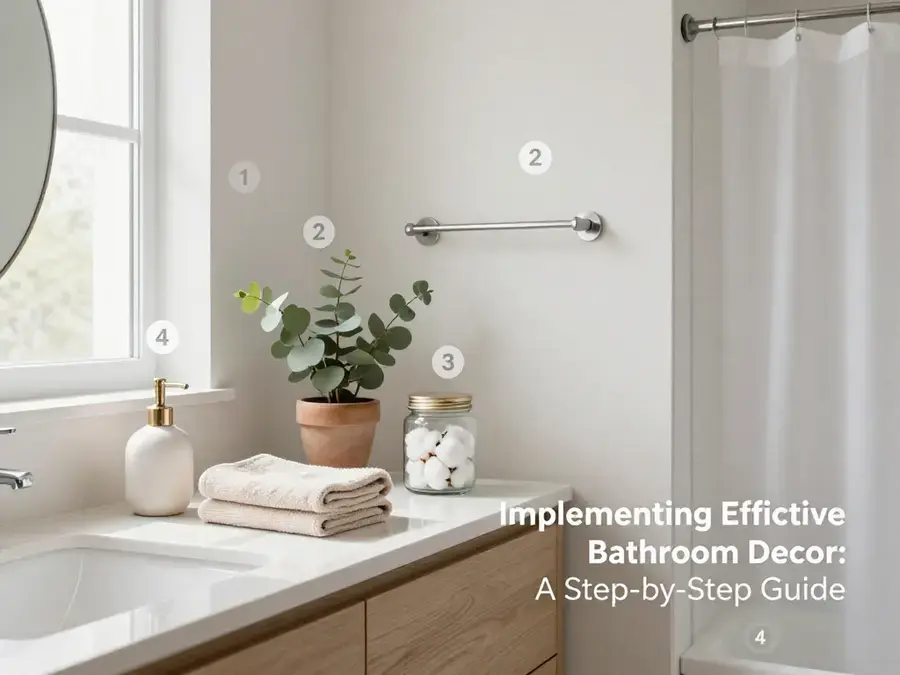

Your bathroom feels outdated and uninspiring, but you’re not sure where to start with decorating. Many homeowners struggle with transforming their bathroom into a stylish, functional space that reflects their personality. The good news is that effective bathroom decor doesn’t require a complete renovation or huge budget. According to recent surveys, 73% of homeowners consider their bathroom the most challenging room to decorate. This makes sense because bathrooms have unique constraints like moisture, limited space, and existing fixtures. However, with the right approach, your bathroom can become one of your home’s most impressive rooms. This step-by-step guide will walk you through implementing effective bathroom decor from start to finish. You’ll learn how to assess your current space, choose the right color schemes, and select accessories that work in humid environments. We’ll cover everything from budget-friendly updates to more substantial changes that add real value. Whether you’re working with a tiny powder room or a spacious master bath, this article provides practical strategies that work. You’ll discover how to maximize storage while maintaining style, choose lighting that flatters, and create a cohesive look that feels intentional rather than random. By following these proven methods, you’ll transform your bathroom into a space you actually enjoy spending time in. The strategies we’ll share have helped thousands of homeowners create beautiful, functional bathrooms without breaking the bank. Let’s turn your bathroom from a problem area into a design success story.
🏗️
📚 Table of Contents
Planning Your Bathroom Decor Style and Budget
Smart planning saves both money and design mistakes. Most homeowners jump into bathroom updates without clear direction. This leads to overspending and mismatched elements.
Choosing Your Design Direction
Start by browsing design magazines and Pinterest boards. Save images that make you feel excited about your space. Look for common themes in your saved photos.
Popular bathroom styles include modern minimalist, farmhouse rustic, and spa-inspired designs. Each style has distinct characteristics and price points. Modern styles often cost more due to sleek fixtures and premium materials.
Consider your home’s existing architecture too. A Victorian house might clash with ultra-modern bathroom elements. Harmony between rooms creates better resale value and visual flow.
Setting Realistic Budget Ranges
Small bathroom updates typically cost $3,000 to $8,000 for cosmetic changes. Mid-range renovations run $8,000 to $15,000 with new fixtures and tiles. Full luxury remodels can exceed $25,000 easily.
Break your budget into categories for better control:
- Fixtures and hardware (30-40% of budget)
- Tile and flooring (20-25% of budget)
- Paint and accessories (15-20% of budget)
- Labor costs (25-35% of budget)
Always add a 15% buffer for unexpected issues. Old homes often reveal plumbing or electrical surprises during renovations.
Timing Your Project Phases
Plan updates in logical order to avoid redoing work. Paint comes after tile installation but before fixture mounting. This prevents damage to finished surfaces.
Consider seasonal factors for major work. Winter months often bring contractor discounts but longer project timelines. Spring and summer offer faster completion but higher labor costs.
Small weekend projects work well for accessories and paint. Larger renovations need 2-4 weeks minimum for proper completion.
Choosing Colors and Themes That Work
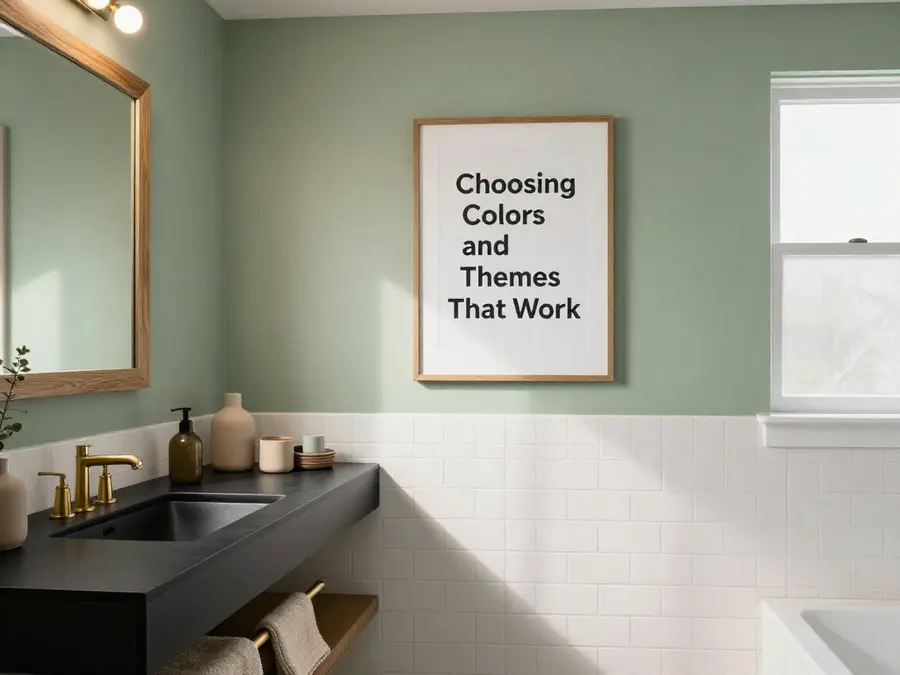
The right color palette sets the foundation for your entire bathroom design. Your choices here will influence every other decorative element you add later.
Understanding Color Psychology in Small Spaces
Light colors make bathrooms feel larger and brighter. White, cream, and soft gray reflect natural light beautifully. These shades work especially well in windowless powder rooms.
Cool blues and greens create a spa-like atmosphere. They pair naturally with water elements. Warm beiges and taupes add cozy comfort to larger master bathrooms.
Popular Color Schemes That Always Work
Monochromatic schemes use different shades of one color. A navy and light blue combination feels fresh and cohesive. This approach works perfectly for beginners.
Neutral palettes offer the most flexibility for accessories. Gray and white combinations let you change accent colors seasonally. You can swap towels and artwork without major renovations.
- Classic white with chrome fixtures
- Soft gray with brass accents
- Beige with oil-rubbed bronze hardware
- Navy blue with white trim
Choosing Themes That Match Your Home
Your bathroom theme should flow with your home’s overall style. A farmhouse kitchen calls for rustic bathroom elements like shiplap or vintage fixtures.
Modern homes benefit from clean lines and minimal color palettes. Think geometric patterns and sleek surfaces. Traditional homes work well with classic subway tiles and pedestal sinks.
Testing Colors Before Committing
Paint samples look different under bathroom lighting. Test your chosen colors on multiple walls. Observe them at different times of day to see how they change.
Consider your existing fixtures when selecting colors. Almond or bone-colored toilets limit your palette options. Work with what you have or budget for replacements.
Essential Bathroom Decor Elements to Consider
Smart planning starts with understanding which elements create the biggest visual impact. Your bathroom’s success depends on balancing function with style across key design areas.
Color Schemes That Transform Small Spaces
Light colors make cramped bathrooms feel twice as large. Soft whites, pale grays, and cream tones reflect natural light beautifully. Dark accent walls can add drama without overwhelming the space.
Consider the 60-30-10 rule for color balance. Use your main color for 60% of surfaces, a secondary shade for 30%, and a bold accent for the final 10%. This creates visual harmony without looking boring.
Lighting Layers for Every Mood
Good bathroom lighting needs three distinct layers. Ambient lighting provides overall illumination through ceiling fixtures or recessed lights. Task lighting focuses on mirrors and vanity areas for daily routines.
Accent lighting adds personality through decorative sconces or LED strips. Many homeowners skip this third layer and wonder why their bathroom feels flat. Smart dimmer switches let you adjust brightness throughout the day.
Storage Solutions That Actually Work
Floating shelves maximize floor space while keeping essentials within reach. Medicine cabinets with mirrors serve double duty in smaller bathrooms. Over-toilet storage units use often-wasted vertical space effectively.
Built-in niches during renovation offer the cleanest look. However, adhesive corner caddies and tension pole organizers work great for renters. Choose storage that matches your bathroom’s style rather than fighting against it.
Textiles and Accessories for Finishing Touches
Quality bath mats prevent slips while adding color and texture. Coordinated towels in varying sizes create a spa-like atmosphere. Window treatments should provide privacy without blocking precious natural light.
Plants thrive in bathroom humidity and soften hard surfaces. Snake plants and pothos handle low light conditions well. Artwork needs proper sealing or glass protection in steamy environments.
Step-by-Step Bathroom Decoration Process
Planning makes the difference between a scattered project and a stunning transformation. Most homeowners jump straight into shopping without mapping out their vision first.
Planning Your Design Vision
Start by gathering inspiration from magazines, Pinterest, or Instagram. Create a mood board with colors, textures, and styles you love. This prevents costly mistakes later.
Measure your bathroom carefully and note existing fixtures. Consider which elements you’ll keep versus replace. A small powder room needs different strategies than a master bath.
Setting Your Budget and Timeline
Bathroom projects often cost more than expected. Set aside 20% extra for unexpected issues like plumbing problems or tile shortages.
Break your budget into categories:
- Paint and wall treatments (15-20%)
- Accessories and decor (25-30%)
- Lighting fixtures (20-25%)
- Storage solutions (15-20%)
- Emergency fund (20%)
Shopping Smart for Maximum Impact
Start with larger items like mirrors or light fixtures first. These anchor pieces guide your smaller choices. Sarah from Denver learned this after buying cute towels that clashed with her new vanity mirror.
Shop sales at the end of seasons for the best deals. Many retailers clear out bathroom accessories in January and August. Online retailers often offer better selection than local stores.
Installation Order That Works
Follow this sequence to avoid redoing work. Paint walls before hanging anything permanent. Install lighting fixtures before mirrors to hide electrical work properly.
Add storage solutions next, then decorative elements. Save fragile accessories for last to prevent damage during other installations. This order saves time and reduces frustration significantly.
Budget-Friendly vs Premium Bathroom Decor Options
Your bathroom transformation doesn’t require breaking the bank. Smart shoppers can create stunning spaces with strategic choices and creative thinking.
Affordable Decor Solutions That Deliver Impact
Budget-friendly options focus on high-impact changes without major renovations. Paint remains your most powerful tool for instant transformation.
Consider these wallet-friendly upgrades:
- Peel-and-stick wallpaper for accent walls ($15-30 per roll)
- New shower curtains and matching accessories ($25-50 total)
- Adhesive tile decals for backsplashes ($20-40)
- Updated lighting fixtures from discount retailers ($30-80)
- Decorative storage baskets and organizers ($15-35 each)
DIY projects stretch budgets further. Refinishing existing vanities costs under $100 versus $500+ for replacements.
Premium Options for Lasting Luxury
High-end bathroom decor emphasizes quality materials and craftsmanship. These investments typically last 10-15 years with proper care.
Premium choices include:
- Natural stone countertops ($80-150 per square foot)
- Custom cabinetry with soft-close hardware ($200-400 per linear foot)
- Designer faucets and fixtures ($300-800 each)
- Heated flooring systems ($10-20 per square foot)
- Professional tile installation with intricate patterns ($15-25 per square foot)
Luxury brands offer superior warranties and customer service. Many provide lifetime guarantees on finishes and mechanisms.
Finding the Sweet Spot for Your Space
The best approach often combines both strategies. Invest in permanent fixtures while saving on easily replaceable accessories.
Prioritize spending on items you touch daily. Quality faucets and cabinet hardware justify higher costs through improved functionality.
Save money on towels, rugs, and decorative elements. These items wear out faster and trends change frequently.
Common Bathroom Decor Mistakes to Avoid
Smart design choices can transform your bathroom into a stunning retreat. However, even experienced decorators sometimes make costly mistakes that undermine their vision.
Ignoring Scale and Proportion
Oversized fixtures in small bathrooms create cramped, uncomfortable spaces. A massive vanity might look gorgeous in the showroom but overwhelm a compact powder room.
Choose pieces that fit your room’s dimensions. Measure twice, buy once. A 36-inch vanity works perfectly in most standard bathrooms, while 24-inch options suit smaller spaces better.
Poor Lighting Planning
Single overhead lights cast harsh shadows that make daily routines difficult. Your face needs even, flattering illumination for grooming tasks.
Layer your lighting with these essential elements:
- Vanity sconces on both sides of mirrors
- Recessed ceiling lights for general illumination
- Accent lighting to highlight architectural features
- Natural light from windows when possible
Neglecting Storage Solutions
Beautiful bathrooms quickly become cluttered without adequate storage. Toiletries, towels, and cleaning supplies need designated homes.
Plan storage during the design phase, not as an afterthought. Built-in niches, medicine cabinets, and vanity drawers keep essentials organized and surfaces clear.
Choosing Trendy Over Timeless
That Instagram-worthy wallpaper might feel dated within two years. Bathroom renovations represent significant investments that should last decades.
Build your foundation with classic elements like subway tiles and neutral colors. Add personality through easily changeable accessories like towels, artwork, and plants. This approach saves money while maintaining style flexibility.
Conclusion
Creating a beautiful bathroom doesn’t have to be overwhelming or expensive. The key is planning your style and budget first. This helps you make smart choices that work together. Remember that color and theme set the mood for your space. Neutral tones offer flexibility, while bold colors make strong statements. Choose what feels right for your home and lifestyle. Focus on essential elements like lighting, storage, and mirrors. These items serve both function and style. They make your bathroom more useful while looking great. Take your time with the decoration process. Start with big changes like paint or fixtures. Then add smaller touches like towels and accessories. This approach prevents costly mistakes. You can achieve stunning results on any budget. Premium options offer luxury, but budget-friendly choices can look just as good. Mix high and low-end pieces for the best value. Avoid common mistakes like ignoring moisture issues or choosing style over function. Your bathroom needs to work well every day, not just look pretty. Most importantly, create a space that makes you happy. Your bathroom should feel like a personal retreat where you can relax and refresh.