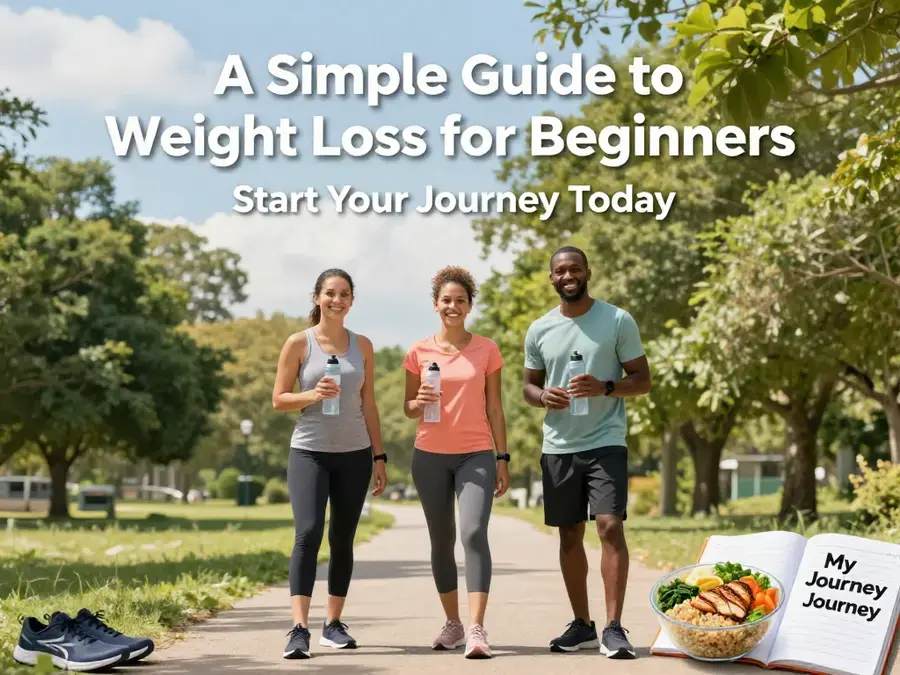

Millions of people struggle with weight loss, feeling overwhelmed by conflicting advice and complicated diet plans. You’re not alone if you’ve tried multiple approaches only to feel confused about what actually works. The weight loss industry is filled with quick fixes and extreme methods that often lead to frustration and failure. According to the CDC, over 73% of American adults are overweight or obese, yet most people don’t know where to start their weight loss journey. The good news is that sustainable weight loss doesn’t require extreme measures or expensive programs. Simple, science-backed strategies can help you achieve lasting results without feeling deprived or overwhelmed. This guide cuts through the noise to give you clear, actionable steps for beginning your weight loss journey. You’ll discover how to create realistic goals, make small changes that add up to big results, and build healthy habits that stick. We’ll compare different approaches to help you find what works best for your lifestyle and preferences. Whether you’re looking to lose 10 pounds or 100, the fundamentals remain the same. You’ll learn about nutrition basics, simple exercise options, and mindset shifts that successful people use. Most importantly, you’ll understand how to avoid common mistakes that derail progress. Research shows that people who follow structured, gradual approaches are 5 times more likely to maintain their weight loss long-term. By the end of this article, you’ll have a clear roadmap to start your transformation today. No more confusion, no more false starts – just practical steps you can implement immediately to begin seeing real results.
📋
📚 Table of Contents
Step 1: Set Clear and Realistic Weight Loss Goals
Starting your weight loss journey without clear goals is like driving without a destination. You might move forward, but you’ll waste time and energy along the way.
Why Specific Goals Matter More Than “Losing Weight”
Saying “I want to lose weight” sounds good, but it won’t get you far. Your brain needs concrete targets to stay motivated and track progress effectively.
Instead of vague wishes, try these specific goal examples:
- Lose 15 pounds in 12 weeks
- Drop two dress sizes by summer
- Reduce body fat percentage from 28% to 23%
- Fit into your favorite jeans again
Sarah, a busy mom from Texas, switched from “get healthier” to “lose 20 pounds in 4 months.” She lost exactly 19 pounds because her goal felt real and achievable.
The SMART Method for Weight Loss Success
SMART goals aren’t just business jargon. They work perfectly for weight loss when you need clear direction and measurable results.
Specific: Choose exact numbers, not ranges. Measurable: Pick something you can track weekly. Achievable: Aim for 1-2 pounds per week maximum.
Relevant: Connect your goal to something meaningful, like your health or confidence. Time-bound: Set a realistic deadline that creates urgency without pressure.
How to Calculate Your Realistic Timeline
Most people set impossible deadlines and quit when reality hits. Safe weight loss happens at 1-2 pounds per week for most adults.
Here’s the math: To lose 1 pound, you need a 3,500-calorie deficit. That means cutting 500 calories daily through diet and exercise combined.
If you want to lose 20 pounds safely, plan for 10-20 weeks minimum. This timeline prevents muscle loss and keeps your metabolism healthy throughout the process.
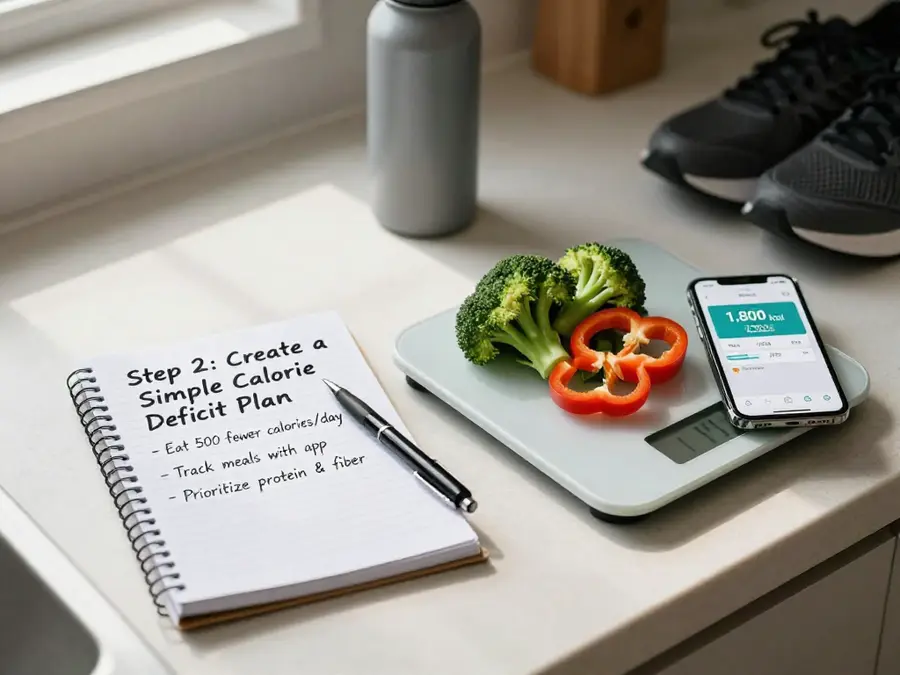
Step 2: Create a Simple Calorie Deficit Plan
Now that you understand the basics, it’s time to build your personal plan. A calorie deficit doesn’t require extreme measures or complicated math.
Calculate Your Daily Calorie Needs
Start with a simple online calculator to find your baseline. Most women need around 1,800-2,000 calories daily, while men typically need 2,200-2,500 calories. These numbers change based on your age, height, and activity level.
Subtract 300-500 calories from your baseline for steady weight loss. This creates a manageable deficit without triggering extreme hunger or fatigue.
Choose Your Deficit Method
You can create your deficit through food, exercise, or both. Many people find success combining smaller portions with light activity.
- Reduce food intake by 250 calories and burn 250 through walking
- Cut 400 calories from meals and add 100 calories of exercise
- Focus entirely on portion control if exercise feels overwhelming
- Prioritize movement if you struggle with food restrictions
Sarah, a busy mom, chose to walk 30 minutes daily and swap her afternoon snack for herbal tea. This simple approach helped her lose 15 pounds in four months.
Track Your Progress Simply
Use a basic food app or notebook to monitor your intake. Don’t obsess over every detail, but stay aware of your eating patterns.
Weigh yourself weekly at the same time, preferably Monday mornings. Daily fluctuations can mislead you, but weekly trends show real progress.
Take body measurements monthly. Sometimes the scale doesn’t move, but your waist gets smaller. This happens when you’re building muscle while losing fat.
Adjust When Needed
Your body adapts to calorie changes over time. If weight loss stalls for two weeks, reduce calories by another 100-150 daily.
Listen to your energy levels and mood. Extreme fatigue or constant irritability means your deficit is too aggressive. Scale back and focus on sustainable habits instead.
Step 3: Build Easy Exercise Habits That Stick
Most people fail at exercise because they try to do too much too fast. Starting small creates momentum that builds over time.
Start With Just 10 Minutes Daily
Your first goal should be showing up, not burning calories. Pick one simple activity you can do for 10 minutes every day. This could be walking around your block, doing bodyweight squats, or following a short YouTube workout.
Sarah, a busy mom from Texas, started with just 10 minutes of morning stretches. After three weeks, she naturally wanted to add more movement. Six months later, she was doing 45-minute workouts and had lost 30 pounds.
Use the “2-Minute Rule” for Strength Training
Make your exercise habit so easy you can’t say no. Start with just 2 minutes of strength exercises like push-ups or planks. Your brain won’t resist such a small commitment.
Focus on these beginner-friendly moves:
- Wall push-ups – easier than floor push-ups
- Chair-assisted squats – builds leg strength safely
- Modified planks – start on your knees
- Standing marches – gentle core activation
Stack Exercise With Existing Habits
Link your new exercise habit to something you already do daily. This technique, called habit stacking, makes the new behavior automatic.
Try these combinations that work for most people:
- After I pour my morning coffee, I will do 10 squats
- After I brush my teeth at night, I will do a 2-minute plank
- After I eat lunch, I will take a 10-minute walk
Research shows it takes about 66 days to form a new habit. Be patient with yourself during the first two months.
Step 4: Master the Fundamentals of Healthy Eating
Building healthy eating habits creates the foundation for lasting weight loss. These fundamentals work better than any quick-fix diet you’ll find online.
Focus on Whole Foods Over Processed Options
Whole foods naturally contain fewer calories and more nutrients. Your body burns more energy digesting an apple than processing a candy bar.
Replace processed snacks with these simple swaps:
- Chips → Raw almonds or carrots with hummus
- Sugary cereals → Oatmeal with fresh berries
- White bread → Whole grain options with visible seeds
- Soda → Sparkling water with lemon slices
Start with one swap per week. This gradual approach prevents overwhelming your taste buds and builds lasting habits.
Master Portion Control Without Measuring
Your hand provides the perfect measuring tool. Use your palm for protein portions and your fist for vegetables.
A thumb-sized portion works for healthy fats like avocado or nuts. Your cupped hand measures the right amount of carbs like rice or pasta.
Restaurant portions often contain 2-3 servings in one meal. Ask for a to-go box immediately and save half for tomorrow’s lunch.
Time Your Meals for Better Results
Eating every 3-4 hours keeps your metabolism steady. This prevents the extreme hunger that leads to overeating.
Stop eating 2-3 hours before bedtime. Late-night calories get stored as fat more easily than daytime calories.
Plan your largest meal when you’re most active. For most people, this means a bigger lunch and lighter dinner works better than the opposite.
Stay Hydrated to Support Weight Loss
Drinking water before meals reduces calorie intake by an average of 75 calories per meal. That adds up to significant weight loss over time.
Sometimes thirst disguises itself as hunger. Try drinking a full glass of water when cravings hit, then wait 10 minutes before deciding if you’re truly hungry.
Step 5: Develop Sustainable Daily Routines
Building lasting habits takes more than motivation. You need systems that work even when life gets chaotic.
Create Your Morning Foundation
Start each day with three simple actions that support your weight loss goals. This could be drinking a large glass of water, doing five minutes of stretching, or preparing a healthy breakfast.
Sarah, a busy teacher, sets her alarm 15 minutes earlier to make overnight oats. This small change eliminated her drive-through breakfast habit and saved her 300 calories daily.
Design Evening Wind-Down Rituals
Your evening routine sets up tomorrow’s success. Plan your meals, lay out workout clothes, or prep healthy snacks for the next day.
Research shows that people who plan their meals the night before eat 23% more vegetables and consume fewer processed foods. Create a simple checklist and stick to it for two weeks until it becomes automatic.
Build Flexible Backup Plans
Life will disrupt your perfect routine. Having backup options prevents one bad day from becoming a bad week.
Keep these emergency strategies ready:
- Ten-minute bodyweight workouts for busy days
- Healthy frozen meals when cooking isn’t possible
- Pre-portioned snacks in your car or desk
- Walking meetings instead of sitting in conference rooms
Track Without Obsessing
Monitor your habits, not just your weight. Use a simple app or notebook to track daily wins like drinking enough water or taking a walk.
Focus on consistency over perfection. Completing 80% of your routine seven days a week beats doing everything perfectly three days and nothing the other four.
Step 6: Overcome Common Beginner Challenges
Even the best weight loss plans hit roadblocks. Most beginners face similar struggles that can derail their progress completely.
Breaking Through Weight Loss Plateaus
Your scale stops moving after weeks of steady progress. This plateau happens because your body adapts to your routine.
Mix up your exercise routine every 4-6 weeks. Try new activities like swimming, hiking, or strength training. Your metabolism needs fresh challenges to keep burning calories efficiently.
Adjust your calorie intake slightly. As you lose weight, your body needs fewer calories to function. Recalculate your daily needs every 10-15 pounds lost.
Managing Intense Food Cravings
Cravings for pizza, cookies, or chips can feel overwhelming. These urges often strike hardest during the first month of dietary changes.
Keep healthy alternatives within arm’s reach. Stock your kitchen with fruits, nuts, or Greek yogurt. When cravings hit, eat the healthy option first and wait 10 minutes.
Plan one small treat per week. Sarah from Texas allows herself two squares of dark chocolate every Friday. This prevents feeling deprived while staying on track.
Staying Motivated When Progress Slows
Weight loss isn’t linear. Some weeks you’ll lose three pounds, others you might gain one.
Track non-scale victories like increased energy or looser clothing. Take body measurements monthly since muscle weighs more than fat. Progress photos reveal changes your scale might miss.
Find an accountability partner or join online communities. Sharing struggles with others facing similar challenges provides emotional support and practical tips.
Handling Social Pressure and Food Temptations
Family dinners, office parties, and restaurant outings test your willpower. Social situations often revolve around high-calorie foods and drinks.
Eat a small healthy snack before social events. This prevents arriving hungry and overindulging. Offer to bring a healthy dish you can enjoy guilt-free.
Practice polite responses to food pushers. Simply say “I’m full, thank you” or “I’ll grab some later” when people insist you try their dessert.
Conclusion
## Conclusion Weight loss doesn’t have to be complicated or overwhelming. The six steps covered in this guide provide a clear roadmap to success. Setting realistic goals keeps you motivated for the long haul. Creating a simple calorie deficit helps you understand the basics of weight management. Building easy exercise habits makes fitness a natural part of your day. Mastering healthy eating fundamentals gives you the knowledge to make better food choices. Developing sustainable daily routines creates lasting change instead of quick fixes. Learning to overcome common challenges prepares you for the inevitable bumps in the road. Remember that successful weight loss is a marathon, not a sprint. Small, consistent changes add up to big results over time. Focus on progress, not perfection. Celebrate the small wins along the way. Your body and mind need time to adapt to new habits. The most important step is simply getting started. Pick one or two strategies from this guide and begin today. You don’t need to change everything at once. Start small, stay consistent, and trust the process. Your healthiest, happiest self is waiting. Take that first step and begin your transformation journey right now.