
In the realm of interior design, making the right choices for your bathroom decor can significantly impact your overall experience. Have you ever wondered why some bathrooms feel calming, while others seem overwhelming? The answer lies in the science of color psychology. This article will delve into the fascinating world of color psychology and its role in bathroom decor. By understanding how colors influence our emotions, you’ll be empowered to create a bathroom that not only looks great but also promotes relaxation and positivity. Did you know that 90% of snap judgments made about products can be based on color alone? This statistic underscores the importance of choosing the right colors for your bathroom. By the end of this comparison, you’ll have a solid grasp of which colors to use and why, ensuring your bathroom decor is not just visually appealing, but also psychologically beneficial. Join us as we explore the science behind color psychology and how it can transform your bathroom into a sanctuary of tranquility.
🏗️
📚 Table of Contents
Introduction to Color Psychology in Bathroom Decor
Here is the HTML code for a simple comparison table for bathroom decor:
| Option | Key Benefit | Best For | Rating (1-5 stars) |
|---|---|---|---|
| Subway Tiles | Easy to clean and timeless design | Modern and minimalist bathrooms | ★★★★☆ |
| Marble Tiles | Luxurious and adds a touch of elegance | Traditional and high-end bathrooms | ★★★☆☆ |
| Mosaic Tiles | Creates a unique and visually interesting space | Bathrooms seeking a statement piece | ★★☆☆☆ |
undefined
Welcome to our exploration of color psychology in bathroom decor! Have you ever wondered why some colors make you feel calm and relaxed, while others might energize you? That’s the magic of color psychology at work.
What is Color Psychology?
Color psychology is a fascinating field that studies how colors influence our emotions, perceptions, and behaviors. In the realm of interior design, understanding color psychology can help create spaces that evoke the desired mood and atmosphere.
Why is Color Psychology Important in Bathroom Decor?
Bathrooms are personal spaces where we unwind and recharge. The right color scheme can help create a soothing ambiance, making your bathroom a sanctuary for relaxation.
Which Colors are Best for Bathroom Decor?
- Blue: Known for its calming and tranquil effects, blue is an excellent choice for bathrooms. It can help reduce stress and create a serene environment.
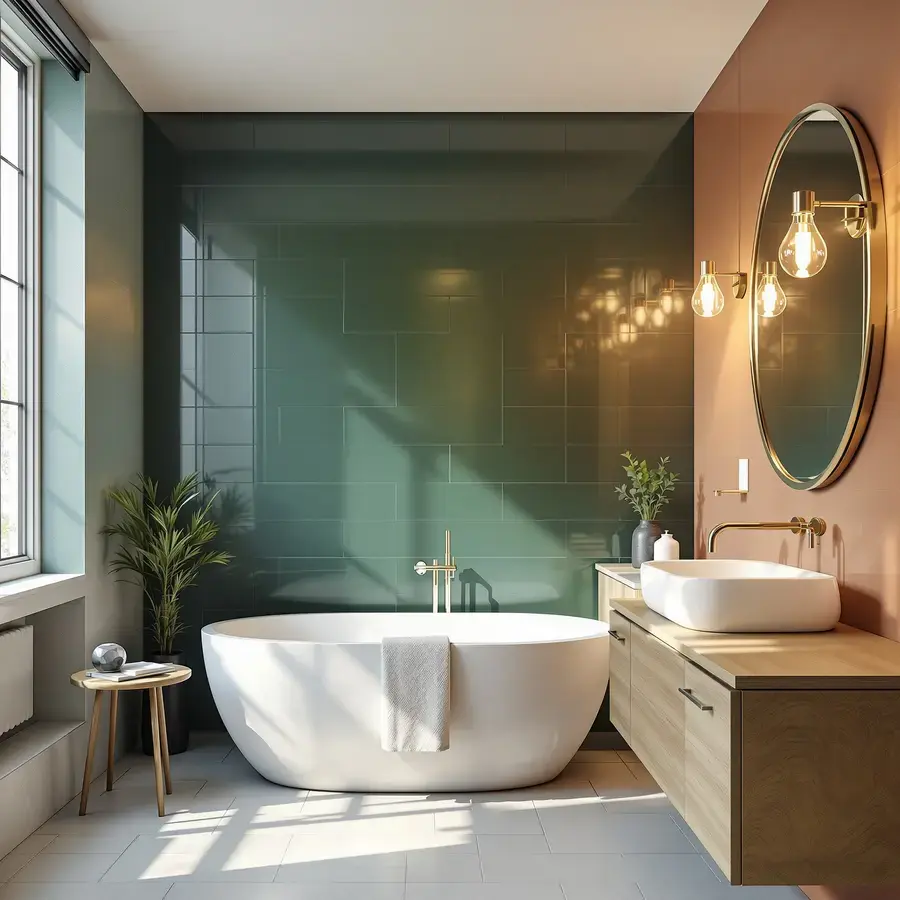
- Green: This color symbolizes nature and growth. A soft, muted green can bring a touch of the outdoors into your bathroom, promoting relaxation and rejuvenation.
- Grey: A versatile neutral, grey can create a modern, sleek look in your bathroom. It pairs well with other colors and can help create a sense of spaciousness.
How to Incorporate Color Psychology in Your Bathroom Decor?
Start by considering the size and layout of your bathroom. Lighter colors can help make smaller spaces feel larger, while darker colors can create a cozy, intimate atmosphere in larger spaces.
Next, think about the mood you want to create. If you’re aiming for a spa-like retreat, opt for calming colors like blue or green. For a modern, minimalist look, consider a neutral palette.
Remember, it’s not just about the walls. Consider your tile, fixtures, and accessories as well. These elements can help tie your color scheme together and add depth and interest to your bathroom decor.
As you embark on your bathroom decor journey, remember that color psychology is a powerful tool. By understanding how colors affect our emotions and behaviors, you can create a bathroom that truly reflects your personal style and provides a space for relaxation and rejuvenation.
Popular Color Trends in Bathroom Decor
Step into the world of bathroom design, where color plays a significant role in setting the mood and ambiance. Let’s explore some popular trends that are making waves in the interior design and home decor industry.
1. Neutrals: A Timeless Choice
Neutral colors, such as beige, white, and gray, never go out of style. They create a clean, elegant, and spacious feel. For example, a white subway tile backsplash paired with a gray vanity can offer a modern yet classic look.
2. Bold and Bright: Making a Statement
Bold colors like navy blue, emerald green, and deep red are making a comeback. These hues add drama and character to your bathroom, making it a bold and invigorating space. Just remember to balance bold colors with neutral accents to prevent an overwhelming effect.
3. Earthy Tones: Connecting with Nature
Earthy tones, such as terracotta, olive green, and mustard yellow, bring a touch of nature indoors. These colors create a warm and inviting atmosphere, perfect for a relaxing spa-like retreat.
4. Two-Tone Walls: Adding Depth and Dimension
Two-tone walls, where one color is used on the top half and another on the bottom, add depth and dimension to your bathroom. This technique can help make a small bathroom feel larger and more interesting. For instance, pairing a light gray on the top half with a darker gray on the bottom can create a visually appealing contrast.
5. Color Psychology: Choosing Colors for Mood
Understanding color psychology can help you choose the right colors for your bathroom. For example, blue is known to promote relaxation, making it an excellent choice for a calming bathroom retreat. On the other hand, yellow can stimulate energy and happiness, making it a great choice for a bright and cheerful bathroom. By incorporating these popular color trends into your bathroom decor, you can create a space that not only looks great but also meets your personal style and needs. Happy designing!
Considerations for Choosing Colors in Bathroom Decor
Transition: As you step into your bathroom, the colors you choose can make a significant impact on the overall ambiance. Here are some key factors to consider when selecting colors for your bathroom decor.
1. Mood and Atmosphere
Colors can greatly influence your mood. For instance, cool blues and greens create a calming and refreshing atmosphere, perfect for a relaxing bathroom. On the other hand, warm colors like yellows and reds can stimulate energy and warmth, ideal for a more invigorating space.
2. Size and Lighting
The size and lighting of your bathroom also play a crucial role in color selection. Lighter colors can make a small bathroom appear larger, while darker colors can make a larger space feel cozier. Additionally, consider the natural and artificial lighting in your bathroom. Lighter colors tend to reflect light, making a room brighter, while darker colors absorb light, creating a more intimate setting.
3. Color Harmonies
Understanding color harmonies can help you create a visually pleasing bathroom. Complementary colors (opposites on the color wheel) create a striking contrast, such as blue and orange. Analogous colors (next to each other on the color wheel) create a harmonious and cohesive look, like green, yellow-green, and yellow.
4. Durability and Maintenance
Bathrooms are prone to moisture and humidity, so it’s essential to choose colors for durable materials. Darker colors can show dirt and stains more easily, while lighter colors can hide them better. Consider using semi-gloss or high-gloss paint finishes in bathrooms for easier cleaning.
5. Personal Preference
Ultimately, the color choice for your bathroom should reflect your personal style and taste. Take inspiration from your favorite colors, patterns, and textures to create a bathroom that feels like a personal sanctuary. In conclusion, choosing the right colors for your bathroom decor involves considering mood, size, lighting, color harmonies, durability, and personal preference. By keeping these factors in mind, you can create a bathroom that not only looks beautiful but also serves as a functional and relaxing space.
Case Studies: Successful Bathroom Designs Using Color Psychology
undefined
Step into the world of bathroom design, where color psychology plays a crucial role in creating a space that’s both visually appealing and psychologically soothing. Let’s dive into some real-life examples that prove the power of color in bathroom decor.
Blue: The Calming Color
Blue, often associated with tranquility and peace, is a popular choice for bathrooms. Consider the coastal-inspired bathroom of the Johnson family. They used light blue tiles on the walls and a darker shade on the floor, creating a serene atmosphere that instantly calms their minds after a long day.
Green: The Color of Nature
Green, symbolizing growth and renewal, brings a touch of nature into the bathroom. The Smiths, for instance, used green mosaic tiles around their bathtub, creating a spa-like ambiance. The addition of potted plants further enhances the natural feel.
Yellow: The Cheerful Color
Yellow, representing happiness and positivity, can energize a bathroom. The Peterson family opted for a sunny yellow accent wall and yellow towels, making their small bathroom feel brighter and more inviting.
Red: The Passionate Color
Red, symbolizing passion and energy, can be used sparingly in bathroom design. The Thompson family used a bold red rug and towels, adding a touch of drama to their bathroom without overwhelming the space.
Remember, when using color psychology in bathroom design, it’s essential to consider the room’s size, the amount of natural light, and your personal preferences. These case studies show that with careful planning and thoughtful use of color, you can transform your bathroom into a sanctuary that reflects your style and enhances your mood.
Conclusion: Applying the Science of Color Psychology to Bathroom Decor Choices
undefined
Now that we’ve explored the impact of color psychology on bathroom decor, let’s recap the key takeaways.
1. Blue for Relaxation and Calm
Blue, particularly shades like navy and turquoise, can create a serene and calming atmosphere in your bathroom. Consider painting a feature wall or adding blue accessories.
2. Green for Balance and Tranquility
Green, especially in its softer shades, can bring a sense of balance and tranquility to your bathroom. Consider incorporating green plants, towels, or tiles.
3. Yellow for Energy and Happiness
Yellow, especially in its lighter shades, can evoke feelings of energy and happiness. Consider adding yellow accents, like a shower curtain or towels.
4. Red for Passion and Energy
Red, while bold, can add a touch of passion and energy to your bathroom. Consider using red sparingly, such as in a statement piece like a rug or a towel rack.
Remember, the key is to choose colors that resonate with you and create the mood you desire in your bathroom. Don’t be afraid to experiment and have fun with color!
Conclusion
In conclusion, the science of color psychology plays a significant role in creating a beautiful and functional bathroom design. By understanding the emotional impact of various colors, homeowners in the United States can make informed decisions that enhance their bathroom’s aesthetic and create a relaxing atmosphere. Popular color trends, such as cool neutrals and earthy tones, offer versatility and timeless appeal. However, it’s essential to consider factors like the size of the bathroom, the amount of natural light, and personal preferences when choosing colors. Case studies showcase successful bathroom designs that effectively apply color psychology principles. For instance, a serene spa-like bathroom might feature calming blues and greens, while a vibrant, energetic bathroom could benefit from bold reds and yellows. Remember, the bathroom is more than just a functional space; it’s a place to unwind and rejuvenate. By thoughtfully incorporating color psychology into your bathroom decor, you can transform this essential room into a personal sanctuary that reflects your style and enhances your daily routine. So, the next time you’re planning a bathroom remodel, consider the powerful impact of color and let the science of color psychology guide your design choices. After all, a beautifully designed bathroom can make a significant difference in your daily life.
🎯 Key Takeaways
- Blue, green, and grey are colors that can create a calming and relaxing atmosphere in bathrooms, promoting a serene environment.
- Lighter colors can help make smaller bathrooms appear larger, while darker colors can create a cozy, intimate atmosphere in larger spaces.
- Understanding color psychology can help create a bathroom that truly reflects your personal style and provides a space for relaxation and rejuvenation.
- Bold colors like navy blue, emerald green, and deep red can add drama and character to your bathroom, making it a bold and invigorating space, but remember to balance bold colors with neutral accents to prevent an overwhelming effect.
- When choosing colors for your bathroom decor, consider factors such as mood, size, lighting, color harmonies, durability, and personal preference.