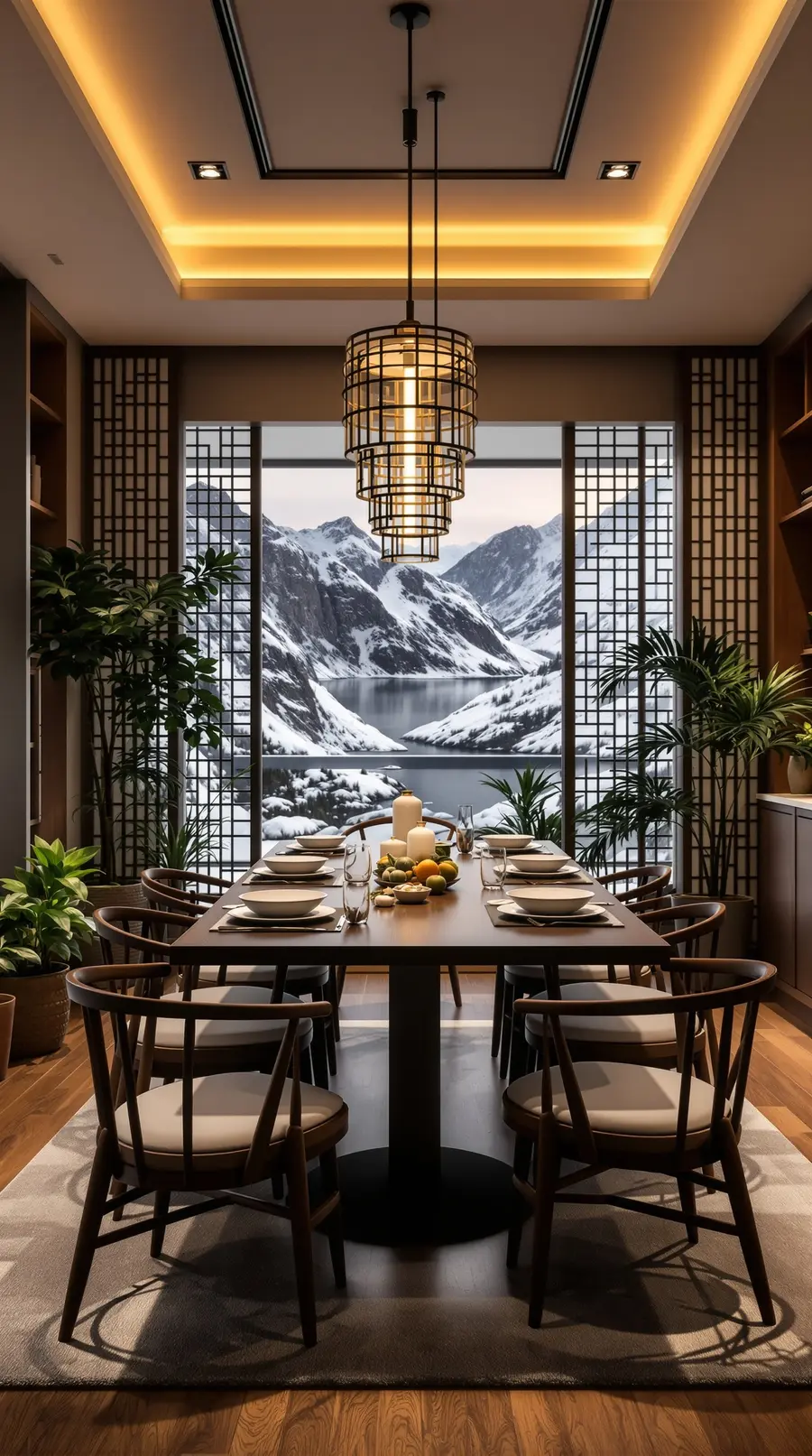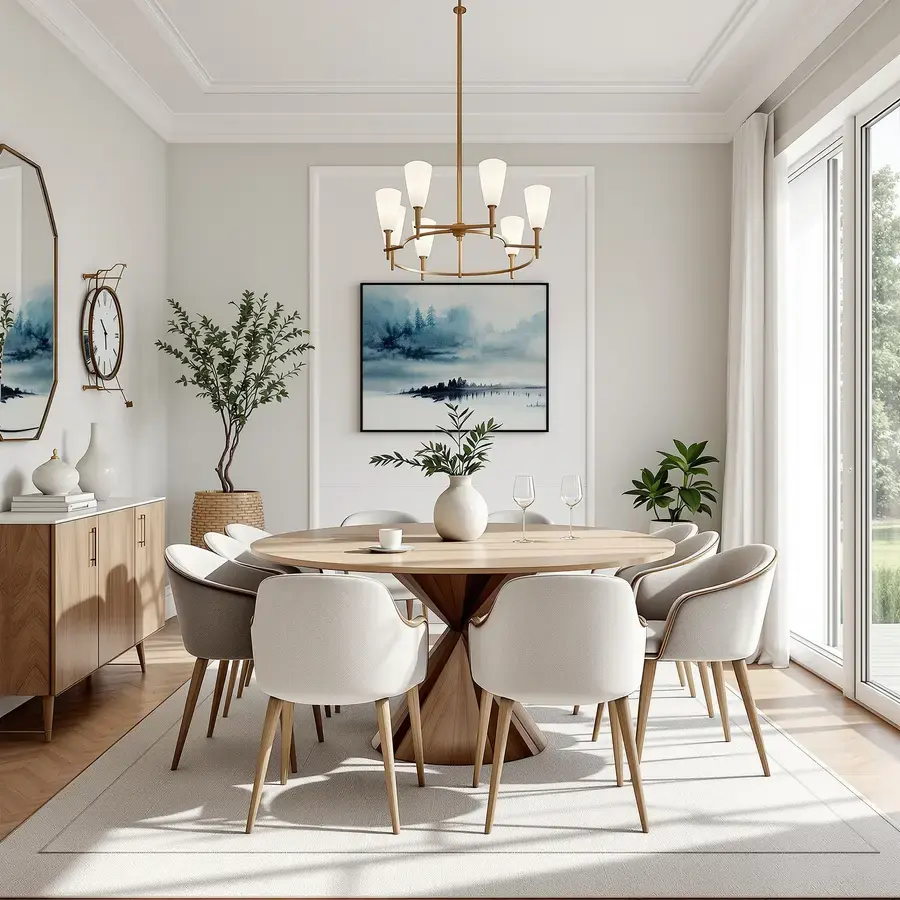

Imagine walking into a beautiful home, but the moment you step into the dining room, something feels off. The space seems cramped, the furniture is awkwardly arranged, and the atmosphere is far from inviting. This is a common problem many homeowners face, and it’s not just about aesthetics – a poorly designed dining room can also affect the way we connect with family and friends. A well-designed dining room is more than just a space for meals; it’s where memories are made, and relationships are strengthened. However, creating the perfect dining room can be overwhelming, especially with the numerous design options available. In the United States, the average homeowner spends around $15,000 to $20,000 on home renovations, with a significant portion of that budget going towards dining room makeovers. In this article, we’ll delve into the importance of a well-designed dining room and explore the key elements that can make or break the ambiance of this crucial space. We’ll discuss the benefits of a thoughtfully designed dining room, from fostering meaningful conversations to increasing the value of your home. By the end of this article, you’ll have a deeper understanding of how to create a dining room that not only reflects your personal style but also becomes the heart of your home.
📋
📚 Table of Contents
Overview
📊 Strategy Comparison Table
| Strategy | Main Benefit | Best For | Difficulty |
|---|---|---|---|
| Intermittent Fasting | Improves fat burning & insulin sensitivity | Busy individuals | Medium |
| High-Protein Diet | Preserves muscle & increases satiety | Strength-focused goals | Easy |
Imagine walking into a beautiful home, and the first thing that catches your eye is the dining room. It’s not just a place to eat; it’s where memories are made, and conversations flow. A well-designed dining room can elevate the entire atmosphere of your home.
What Makes a Great Dining Room?
A great dining room is more than just a table and chairs. It’s about creating a space that’s both functional and beautiful. Think about the style of your home, the size of your family, and how you like to entertain.
Do you prefer formal dinners or casual gatherings?
Consider the flow of traffic in your dining room. You want to make sure there’s enough space to move around comfortably. A good rule of thumb is to leave at least 36 inches between the table and any walls or obstacles.
Key Elements of a Dining Room
So, what are the essential elements of a great dining room? Here are a few things to consider:
- Lighting**: A combination of overhead lighting and table lamps can create a warm and inviting atmosphere.
- Seating**: Choose chairs that are comfortable and stylish. Consider adding a bench or banquette for a unique touch.
- Table**: The dining table is the centerpiece of the room. Choose a style that fits your home’s aesthetic and your lifestyle.
Creating a Dining Room That Reflects Your Style
Your dining room should reflect your personal style and the overall aesthetic of your home. Think about the colors, textures, and patterns that you love. Do you prefer modern and sleek or traditional and elegant?
One way to add personality to your dining room is through accessories. Choose a statement piece, like a beautiful chandelier or a unique piece of artwork, to anchor the space.
Key Benefits
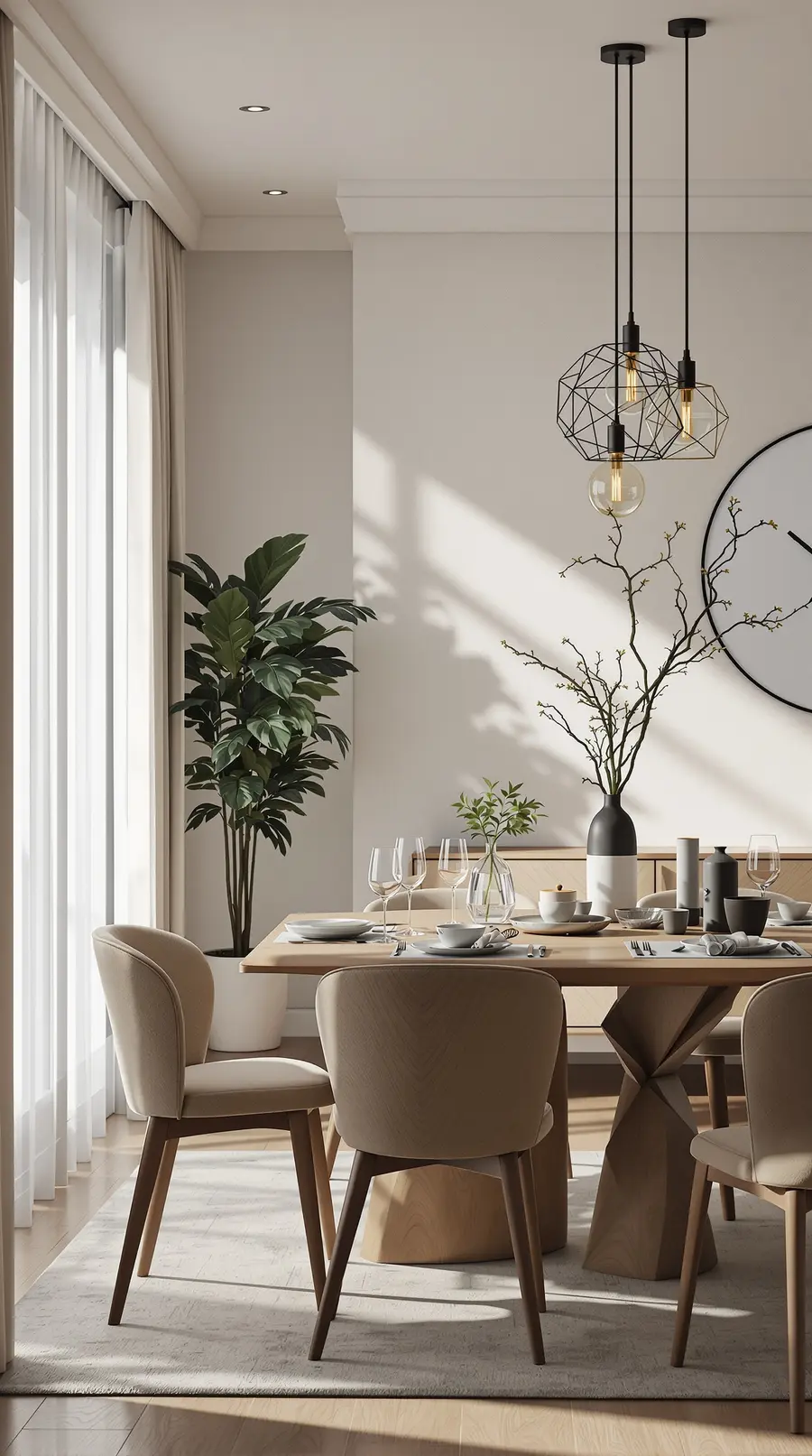
When it comes to creating a warm and inviting space, a well-designed dining room can make all the difference. Not only does it serve as a place for meals, but it’s also a hub for social gatherings and family bonding.
Enhances Social Interactions
A dining room is often the heart of a home, where people come together to share meals and make memories. By investing in a well-designed dining space, you can foster a sense of community and togetherness among family and friends.
For instance, a large dining table can accommodate big gatherings, while a cozy nook can provide an intimate setting for smaller get-togethers.
Boosts Property Value
A beautifully designed dining room can also increase the value of your property. According to the National Association of Realtors, a well-designed dining space can recoup up to 102% of its cost at resale.
This is because a dining room is often seen as a key feature of a home, and a well-designed one can make a big impression on potential buyers.
Improves Mental Health
Studies have shown that spending time with loved ones over meals can have a positive impact on mental health. A well-designed dining space can encourage social interaction and help reduce stress and anxiety.
For example, a dining room with plenty of natural light and comfortable seating can create a warm and welcoming atmosphere that promotes relaxation and conversation.
Increases Productivity
A dining room can also serve as a productive space for work or study. A well-designed dining space with good lighting and comfortable seating can help improve focus and productivity.
For instance, a dining room with a built-in desk or workspace can provide a quiet and comfortable spot for working or studying.
Potential Risks
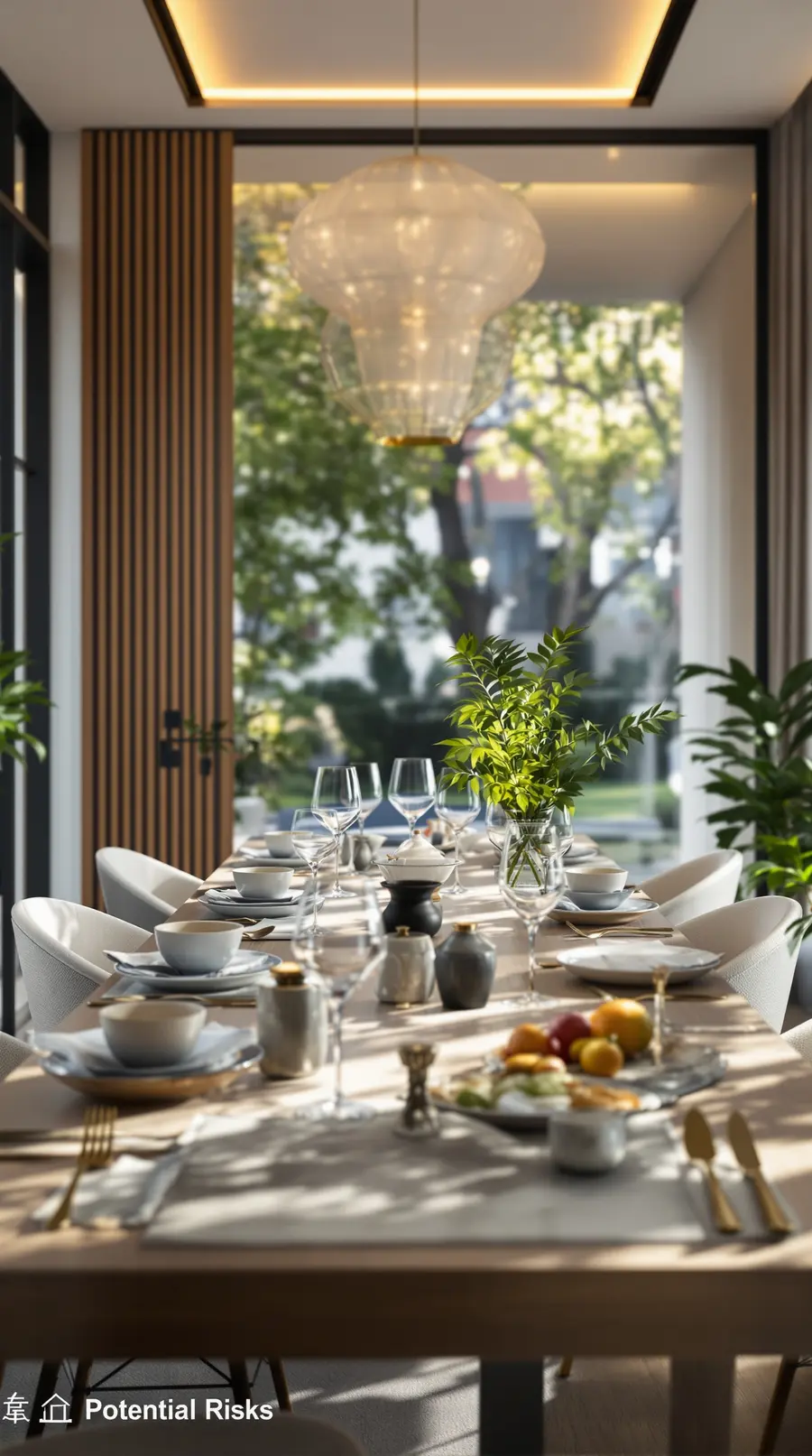
What are the Risks of Poor Acoustics?
Poor acoustics can be a significant risk in a dining room, especially if you plan to host large gatherings or dinner parties. Echoes and reverberations can make conversations difficult, leading to a less enjoyable experience for your guests.
For example, a dining room with a large, open layout and hard surfaces like wood or tile can create an echo chamber effect. To mitigate this risk, consider adding sound-absorbing materials like rugs, curtains, or acoustic panels.
How Can Clutter Affect the Dining Experience?
Clutter can be a significant risk in a dining room, as it can create a sense of chaos and disorder. A cluttered dining room can make it difficult to move around the table, and it can also distract from the overall aesthetic of the space.
To avoid this risk, consider implementing a minimalist design approach, where you prioritize simplicity and clean lines. This can help create a sense of calm and serenity in the dining room.
What are the Risks of Inadequate Storage?
Inadequate storage can be a significant risk in a dining room, especially if you plan to use the space for entertaining. Without sufficient storage, you may find yourself struggling to keep the space organized and clutter-free.
To mitigate this risk, consider incorporating storage solutions like built-in cabinets, shelves, or a sideboard. These can help keep the space organized and make it easier to access the items you need.
How Can Safety Hazards Affect the Dining Experience?
Safety hazards can be a significant risk in a dining room, especially if you have young children or pets. Hazards like sharp edges, hot surfaces, or slippery floors can create a hazardous environment.
To avoid this risk, consider implementing safety measures like rounded edges, non-slip mats, or secure storage for hazardous items. This can help create a safe and enjoyable dining experience for everyone.
Practical Tips
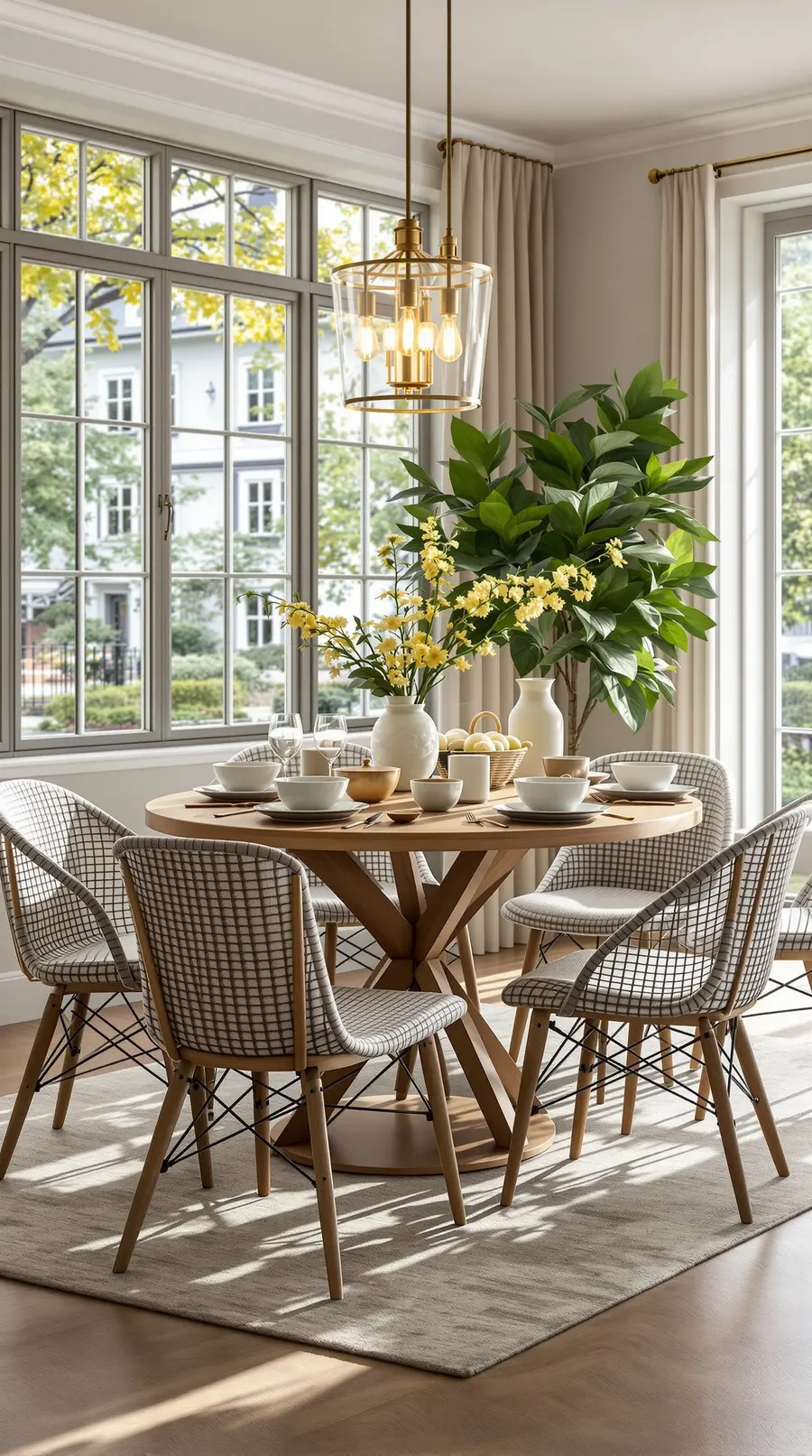
Maximizing Natural Light
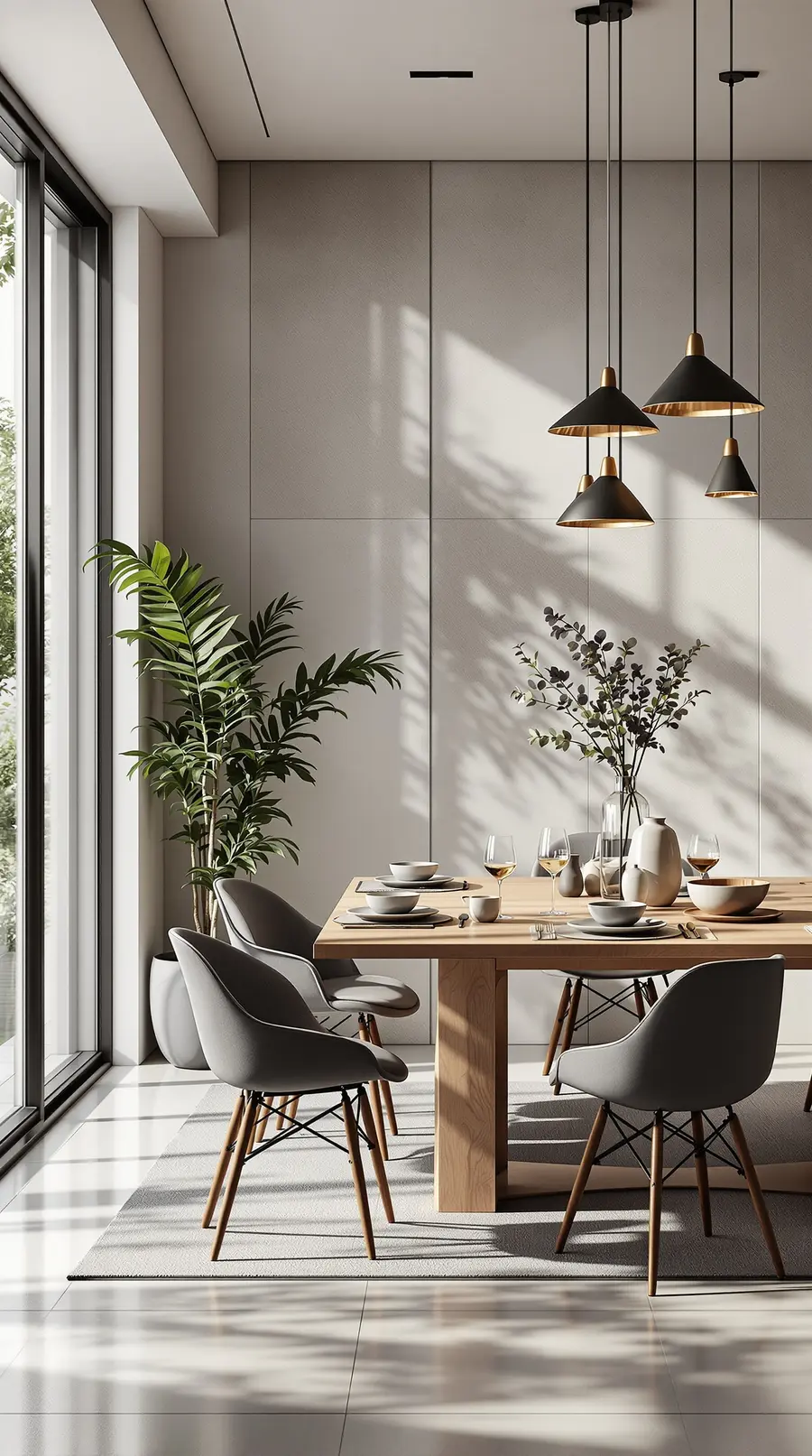
Natural light can greatly enhance the ambiance of your dining room. To maximize it, consider placing your dining table near a window or using sheer curtains to filter the light.
For example, a homeowner in California placed their dining table in front of a large window, allowing the warm sunlight to illuminate the space and create a cozy atmosphere.
Choosing the Right Furniture
When selecting furniture for your dining room, consider the size and shape of the space. A round table can be ideal for smaller rooms, while a rectangular table can work better in larger spaces.
Additionally, think about the style and material of the furniture. A wooden table with comfortable chairs can create a warm and inviting atmosphere.
Adding Decorative Touches
Decorative touches can make or break the ambiance of your dining room. Consider adding a statement piece of art, a vase with fresh flowers, or a decorative centerpiece to create visual interest.
For instance, a homeowner in New York added a beautiful chandelier above their dining table, creating a sense of elegance and sophistication.
Creating a Functional Layout
A functional layout is essential for a dining room. Consider the flow of traffic and the placement of furniture to ensure that the space is comfortable and easy to navigate.
For example, a homeowner in Texas created a functional layout by placing their dining table in a way that allows for easy access to the kitchen and living room.
Conclusion
As we conclude our exploration of the dining room, it’s clear that this space plays a vital role in bringing people together. From family gatherings to holiday feasts, the dining room serves as a hub for connection and community. By understanding the key benefits of a well-designed dining room, such as fostering conversation and creating lasting memories, we can better appreciate its importance in our daily lives. However, we’ve also discussed the potential risks of neglecting this space, including a lack of functionality and a sense of disconnection from others. By being mindful of these risks, we can take steps to create a dining room that truly serves our needs and enhances our relationships. By incorporating practical tips, such as choosing the right furniture and lighting, we can transform our dining rooms into warm and inviting spaces that bring joy to our lives. As we look to the future, let’s prioritize our dining rooms as a place where love, laughter, and memories are made. By doing so, we can create a space that truly becomes the heart of our home.
🎯 Key Takeaways
- When designing a dining room, consider leaving at least 36 inches between the table and any walls or obstacles to ensure comfortable movement.
- A combination of overhead lighting and table lamps can create a warm and inviting atmosphere in a dining room.
- Adding sound-absorbing materials like rugs, curtains, or acoustic panels can help mitigate the risk of poor acoustics in a dining room.
- Incorporating storage solutions like built-in cabinets, shelves, or a sideboard can help keep the dining room organized and clutter-free.
- Placing a dining table near a window or using sheer curtains can help maximize natural light and enhance the ambiance of the dining room.
🤔 Frequently Asked Questions