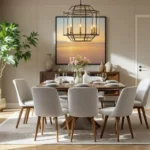
Do you ever feel uninspired when walking into your dining room? Do you host gatherings where the space feels impersonal or unfinished? If so, you’re not alone. Many homeowners struggle to create a dining room that reflects their style and enhances their daily life. This article, “Understanding the Importance of Thoughtful Dining Room Decor Choices,” will help you explore the impact of intentional design on your overall home experience. As a trusted expert in interior design and home decor, we’ll guide you through the decision-making process for your dining room, examining factors like color schemes, furniture arrangements, and lighting. By the end of this article, you’ll have the tools to transform your dining room into a space that fosters connection and complements your personal aesthetic. Consider these statistics:
– A study by the American Lighting Association found that 90% of homeowners believe lighting significantly impacts the ambiance of a room.
– According to a recent survey by Houzz, 60% of homeowners prioritize open floor plans, making the dining room a crucial space for social interaction. These findings highlight the importance of thoughtful dining room decor choices in enhancing your home’s atmosphere and functionality. By investing time and energy into this space, you’ll create a welcoming environment for family meals and memorable gatherings. In the following sections, we’ll compare popular dining room decor trends and provide recommendations for various budgets and styles. So, whether you’re a seasoned design enthusiast or just beginning your decor journey, this article will empower you to make informed decisions about your dining room decor.
🏗️
📚 Table of Contents
The Impact of Dining Room Decor on Home Ambiance
📊 Strategy Comparison Table
| Strategy | Main Benefit | Best For | Difficulty |
|---|---|---|---|
| Intermittent Fasting | Improves fat burning & insulin sensitivity | Busy individuals | Medium |
| High-Protein Diet | Preserves muscle & increases satiety | Strength-focused goals | Easy |
Transitioning from the overall theme of interior design, let’s focus on a crucial part of your home: the dining room. The decor you choose has a significant impact on the ambiance of this space.
How does dining room decor influence the atmosphere?
The decor in your dining room sets the mood for meals, gatherings, and conversations. It can make the space feel cozy, sophisticated, or vibrant, depending on your style and color choices.
What elements of dining room decor affect ambiance?
- Color scheme: Warm colors like red and orange create a cozy atmosphere, while cool colors like blue and green bring a calming effect.
- Lighting: Soft, warm lighting creates an inviting ambiance, while bright, cool lighting can make the space feel more formal.
- Furniture: Choosing the right dining table and chairs can make a big difference in the overall feel of the room. Comfortable, upholstered chairs can add a touch of luxury, while rustic wooden furniture can create a more casual atmosphere.
Real-life examples of dining room decor impact
Imagine a dining room with dark wood furniture, deep red walls, and soft, warm lighting. This setup creates a cozy, intimate atmosphere perfect for a romantic dinner or a small family gathering. On the other hand, a dining room with a glass-topped table, white chairs, and bright, cool lighting might feel more formal and sophisticated, ideal for dinner parties or business meetings.
Expert tips for enhancing your dining room ambiance
- Consider the primary use of your dining room and choose your decor accordingly.
- Experiment with different color schemes, lighting options, and furniture styles to find what works best for you.
- Add personal touches, like artwork or family heirlooms, to make the space feel uniquely yours.
By carefully selecting your dining room decor, you can create an ambiance that reflects your personal style and enhances your home’s overall atmosphere.
Comparing High-End vs. Budget-Friendly Dining Room Decor
When it comes to dressing up your dining room, you have two main options: high-end and budget-friendly decor.
Both have their own unique advantages and can help you achieve a beautiful space. But how do they compare? Let’s take a closer look.
Quality of Materials
High-end dining room decor often uses premium materials like solid wood, high-thread-count fabrics, and hand-blown glass. These materials not only look and feel luxurious, but they also stand the test of time. On the other hand, budget-friendly decor may use veneers, particle board, or synthetic fabrics, which can still look nice but may not last as long.
Design and Craftsmanship
High-end decor often boasts intricate designs, unique details, and exceptional craftsmanship. These pieces can serve as statement pieces and focal points in your dining room. Budget-friendly decor, while still stylish, may have simpler designs and less detailed craftsmanship.
However, this doesn’t mean they can’t make a statement in your space.
Price Point
As the name suggests, high-end dining room decor comes with a higher price tag. These pieces often require more resources, time, and skill to create, driving up their cost. Budget-friendly decor, however, is designed to be more accessible and affordable for a wider range of homeowners.
While it may not have the same luxurious feel as high-end decor, it can still create a beautiful and inviting dining space.
Investment vs. Consumable
High-end dining room decor can be considered an investment, as it often retains its value and can even appreciate over time. Budget-friendly decor, on the other hand, may be considered more consumable, with a shorter lifespan and less potential for long-term value. However, this doesn’t mean that budget-friendly decor can’t make a lasting impact on your dining room’s style and ambiance.
Ultimately, the choice between high-end and budget-friendly dining room decor comes down to personal preference, available budget, and the desired look and feel for your space. Both options have their merits and can contribute to a beautiful and functional dining room. By understanding the differences between these two categories, you can make an informed decision that best suits your needs and preferences.
Sustainable vs. Fast Fashion Dining Room Decor
When it comes to dining room decor, there are two main approaches: sustainable and fast fashion. Both have their own unique benefits and drawbacks. Let’s dive into the specifics of each option.
Sustainable Dining Room Decor: What is it?
Sustainable dining room decor focuses on eco-friendly materials, ethical production methods, and long-lasting designs. This approach often includes vintage, antique, or handmade items that tell a story and support artisanal craftsmanship.
Fast Fashion Dining Room Decor: The Basics
Fast fashion dining room decor refers to mass-produced, trend-driven items. These pieces are typically affordable and easily accessible but may lack durability and individual character.
Comparing Sustainable and Fast Fashion Dining Room Decor
- Longevity: Sustainable decor tends to be more durable and timeless, while fast fashion items may have a shorter lifespan.
- Quality: Sustainable pieces often boast higher quality materials and craftsmanship, whereas fast fashion items can be more inconsistent in quality.
- Cost: Fast fashion dining room decor is generally more affordable upfront, but sustainable items may offer better value in the long run due to their durability.
- Environmental Impact: Sustainable decor is typically more eco-friendly, as it focuses on reducing waste and conserving resources.
Making the Right Choice for Your Space
When deciding between sustainable and fast fashion dining room decor, consider factors such as your budget, style preferences, and commitment to sustainability. By understanding the pros and cons of each approach, you can create a space that reflects your values and enhances your home’s aesthetic.
Minimalist vs. Eclectic Dining Room Decor
When it comes to dining room decor, minimalist and eclectic styles offer two distinct approaches to creating a visually striking space. Let’s delve into the differences between these styles and how they can transform your dining area.
Minimalist Dining Room Decor: Emphasizing Simplicity
- Neutral color palette. Minimalist dining rooms typically feature a restrained color scheme, often using shades of white, gray, and black to create a clean, uncluttered look.
- Sleek lines and forms. Furniture with simple, geometric shapes is a hallmark of minimalist design. Think of smooth wooden dining tables and streamlined chairs without excessive ornamentation.
- Decluttered surfaces. In a minimalist dining room, you’ll find only the essentials on display. This might include a vase of fresh flowers or a single piece of artwork that complements the space’s simplicity.
Eclectic Dining Room Decor: Celebrating Individuality
- Mixing and matching. Eclectic dining rooms thrive on combining different styles, patterns, and textures. For example, you might pair vintage armchairs with a modern dining table or mix bohemian and industrial elements.
- Bold color choices. Unlike minimalist design, eclectic decor allows for a more adventurous use of color. Vibrant wall paints, patterned rugs, and multicolored textiles can all contribute to an eclectic dining room’s unique character.
- Personal touches. Eclectic decor encourages the incorporation of personal mementos and collections, making the dining room a true reflection of the homeowner’s personality and experiences.
Both minimalist and eclectic dining room decor have their merits, and choosing between them depends on your personal style and the atmosphere you wish to create. By understanding the key elements of each approach, you can make informed decisions and craft a dining room that truly resonates with you.
Personalized vs. Trend-Driven Dining Room Decor
When it comes to decorating your dining room, there are two main approaches: personalized and trend-driven decor. Both have their own unique benefits and can help you create a beautiful and functional space. Let’s explore the differences between these two styles and how you can incorporate them into your home.
Personalized Dining Room Decor
- Expresses your personality: Personalized dining room decor allows you to showcase your unique style and tastes. You can choose items that reflect your interests, hobbies, and personal history.
- Creates a cozy atmosphere: A personalized space often feels more inviting and comfortable. By incorporating items that you love, you’ll create an atmosphere that makes you and your guests feel at ease.
- Enduring style: While trends come and go, personalized decor has a timeless appeal. By focusing on what you truly love, you’ll create a space that remains stylish and relevant, even as design trends change.
Trend-Driven Dining Room Decor
- Stay current: Trend-driven decor lets you stay up-to-date with the latest design trends. This can be especially appealing if you enjoy changing your home’s look frequently or want to create a space that feels fresh and modern.
- Inspiration and guidance: Following trends can provide inspiration and guidance when decorating. It can be helpful to have a starting point, especially if you’re new to interior design or feel unsure about your personal style.
- Visual interest: Incorporating trendy elements can add visual interest to your space. By mixing and matching trend-driven pieces with more timeless items, you can create a dynamic and engaging dining room.
When deciding between personalized and trend-driven dining room decor, consider your personal preferences, lifestyle, and the amount of time you’re willing to invest in updating your space. A blend of both styles can help you create a unique and stylish dining room that truly reflects you.
Conclusion
In conclusion, the dining room is more than just a place to eat. It’s a space that sets the tone for your home’s ambiance. When it comes to decorating, there are various approaches to consider, each with its own unique impact. High-end and budget-friendly decor options have their pros and cons, but with careful planning and creative thinking, you can achieve a stunning look without breaking the bank. Sustainable and fast fashion decor also present a choice between long-lasting, eco-friendly pieces and trendy, disposable items. By prioritizing sustainability, you’re not only making a positive environmental impact but also investing in timeless, high-quality pieces that will last for years. Minimalist and eclectic decor offer two distinct styles that can transform your dining room into a personalized space. Minimalism focuses on simplicity and functionality, while eclecticism embraces a mix of patterns, textures, and colors. Both styles can create a welcoming atmosphere, depending on your preferences and the existing decor in your home. Lastly, personalized and trend-driven decor allow you to express your individuality and stay current with design trends. By blending these approaches, you can create a dining room that reflects your personality and keeps up with the times. Ultimately, the key to successful dining room decor is to balance your style, budget, and sustainability goals. With the right combination of elements, you can create a space that not only looks beautiful but also feels like home.