
Many homeowners stare at their kitchen and feel overwhelmed by bland walls and empty counters. You want a space that feels warm and inviting, but decorating seems complicated and expensive. The good news? Transforming your kitchen doesn’t require a design degree or huge budget. Simple kitchen decor changes can make your space feel completely new in just one weekend. Your kitchen is the heart of your home. It’s where families gather for meals and friends chat over coffee. According to the National Association of Home Builders, people spend about 4 hours daily in their kitchen. That’s more time than most bedrooms! Yet many kitchens lack personality and warmth. Small decor touches create big visual impact. A few well-placed items can turn a boring kitchen into your favorite room. The key is knowing which changes deliver the most results. This article reveals proven kitchen decor ideas that beginners can tackle easily. You’ll discover how to add color, texture, and style without major renovations. We’ll compare different decorating approaches so you can choose what works best for your space and budget. You’ll learn which accessories make the biggest difference and which ones waste money. We’ll also show you how to arrange items for maximum visual appeal. By the end, you’ll have a clear roadmap for creating a kitchen that reflects your personality. Whether you’re working with a tiny apartment kitchen or spacious family space, these simple strategies will help you create a room you love. Let’s turn your kitchen into a space that truly feels like home.
🏗️
📚 Table of Contents
Budget-Friendly vs. Premium Kitchen Decor Approaches
Your kitchen transformation doesn’t require breaking the bank. Smart shoppers can achieve stunning results with strategic choices and creative solutions.
Smart Shopping Strategies for Every Budget
Budget-conscious decorators focus on high-impact, low-cost changes first. Fresh paint, new cabinet hardware, and updated lighting fixtures deliver maximum visual punch. These upgrades typically cost under $500 but transform your space completely.
Premium approaches prioritize quality materials and custom solutions. Think marble countertops, handcrafted cabinetry, and designer appliances. These investments range from $15,000 to $50,000 but create lasting value.
DIY vs. Professional Installation
Budget decorators embrace DIY projects for significant savings. Installing peel-and-stick backsplashes, painting cabinets, or adding open shelving are weekend-friendly tasks. You’ll save 60-70% on labor costs.
Premium projects often require professional expertise. Custom tile work, electrical updates, and structural changes need skilled contractors. The investment ensures proper installation and warranty protection.
Material Choices That Make the Difference
Affordable options include laminate countertops, vinyl flooring, and stock cabinets. These materials have improved dramatically in recent years. Modern laminates mimic granite beautifully at one-tenth the cost.
Premium materials offer superior durability and aesthetics:
- Natural stone countertops last decades with proper care
- Hardwood floors add significant home value
- Custom cabinetry maximizes storage efficiency
- High-end appliances provide better performance and warranties
Timeline and Planning Considerations
Budget renovations happen in phases over several months. You can spread costs across multiple paychecks while living in your space. Start with paint and accessories, then tackle bigger projects.
Premium renovations typically complete in 6-12 weeks with full kitchen displacement. The condensed timeline requires temporary cooking arrangements but delivers faster results. Professional project management keeps everything on schedule.
DIY Kitchen Decor vs. Store-Bought Solutions
Choosing between making your own decorations and buying ready-made pieces affects both your budget and style. Each approach offers unique benefits that suit different lifestyles and skill levels.
### Cost Analysis and Budget Considerations
DIY projects typically cost 40-60% less than store-bought alternatives. A handmade wooden spice rack might cost $15 in materials versus $45 retail. However, factor in your time investment too.
Store-bought items offer predictable pricing and immediate results. You know exactly what you’ll spend upfront. No surprise material costs or tool purchases needed.
- DIY savings: Mason jar herb gardens ($12 vs $35 retail)
- Tool investment: Basic crafting supplies run $50-100 initially
- Time value: Consider if 4 hours crafting equals your hourly wage
### Customization and Personal Style
DIY projects let you match exact colors, sizes, and themes. Need a spice rack for that awkward corner? Build it to fit perfectly.
Store items rarely offer this precision.
Handmade pieces reflect your personality completely. Paint that old ladder shelf in your favorite coral shade. Add family photos to a custom gallery wall arrangement.
Retail options provide professional finishes and tested durability. They work well for foundational pieces like lighting fixtures or major storage solutions.
### Time Investment and Skill Requirements
Simple DIY projects take 1-3 hours for beginners. Think painted mason jars or fabric-covered bulletin boards. Complex builds like custom cabinets require advanced skills and days of work.
Store shopping takes minutes but limits your choices. You’re stuck with available inventory and standard sizes. Perfect for busy homeowners who want instant results.
- Beginner DIY: Wall art, plant holders, decorative bowls
- Advanced projects: Built-in shelving, tile backsplashes
- Quick retail wins: Coordinated dish sets, ready-made curtains
Small Kitchen Decor vs. Large Kitchen Design Strategies
The size of your kitchen completely changes how you approach decorating and design. What works in a cozy galley kitchen can look lost in a spacious open-plan layout.
###
Maximizing Visual Space in Small Kitchens
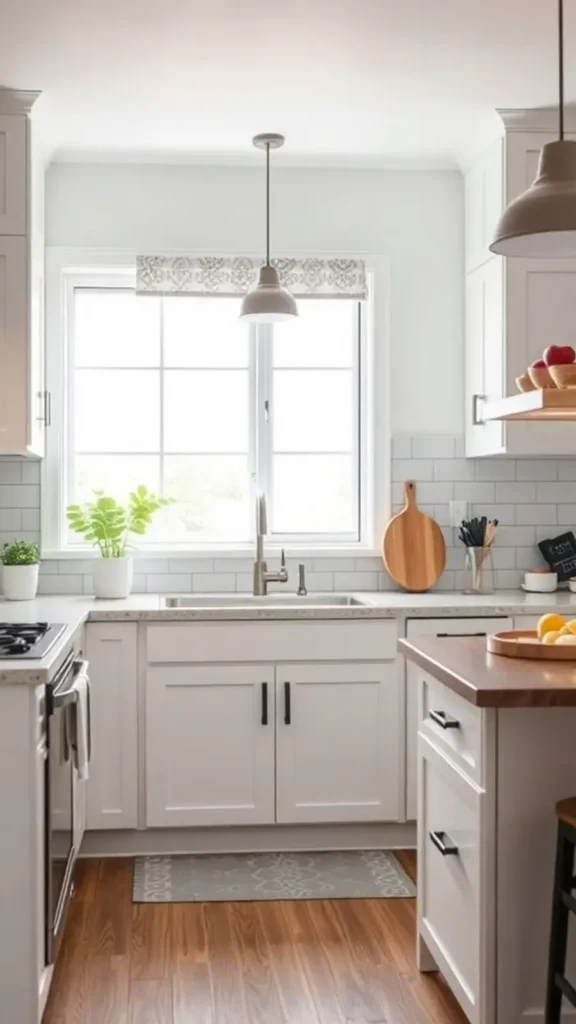
Small kitchens need light colors and reflective surfaces to feel bigger. White or cream cabinets paired with glossy subway tiles create an airy atmosphere that opens up tight spaces.
Vertical storage becomes your best friend in compact kitchens. Install floating shelves up to the ceiling and use the space above your refrigerator for decorative baskets or rarely-used items.
Choose multi-functional pieces like a kitchen island with built-in storage. A rolling cart can serve as extra counter space during meal prep, then tuck away when not needed.
###
Creating Zones in Large Kitchen Spaces
Large kitchens can feel cold and disconnected without proper zoning. Use different lighting fixtures to define areas like cooking, dining, and socializing spaces.
A large kitchen island becomes the natural centerpiece that anchors the room. Add bar stools on one side for casual dining and keep the other side clear for food preparation.
Consider using different cabinet finishes to break up expansive wall space. Mix painted lower cabinets with natural wood uppers to add visual interest and warmth.
###
Scale and Proportion Considerations
Small kitchens need appropriately sized accessories to avoid overwhelming the space. Choose one statement piece like a colorful backsplash rather than multiple competing elements.
Large kitchens can handle bigger artwork and oversized pendant lights. A single large piece of art works better than a gallery wall in spacious kitchens.
Hardware size should match your kitchen’s scale. Delicate knobs suit small cabinets, while substantial pulls complement larger drawer fronts and cabinet doors.
Modern Kitchen Decor vs. Traditional Style Choices
Choosing between modern and traditional kitchen styles shapes your entire cooking space experience. Each approach offers distinct advantages that appeal to different homeowners and lifestyles.
Key Design Elements That Define Each Style
Modern kitchens embrace clean lines and minimalist aesthetics. You’ll find flat-panel cabinets, sleek hardware, and neutral color palettes dominated by whites, grays, and blacks.
Traditional kitchens celebrate warmth and classic elegance. Raised-panel cabinets, ornate hardware, and rich wood tones create inviting spaces. Crown molding and decorative details add character that modern styles intentionally avoid.
- Modern: Quartz countertops, stainless steel appliances, pendant lighting
- Traditional: Granite or marble surfaces, wood or painted finishes, chandeliers
- Modern: Open shelving, hidden storage solutions
- Traditional: Glass-front cabinets, display areas for dishware
Functionality and Lifestyle Considerations
Modern kitchens prioritize efficiency and easy maintenance. Smooth surfaces clean quickly, and integrated appliances create seamless workflows. Smart technology integration feels natural in contemporary designs.
Traditional kitchens focus on gathering and entertaining. Multiple work zones accommodate family cooking activities. The cozy atmosphere encourages longer conversations and meal preparation together.
Budget and Long-Term Value Impact
Modern renovations often cost 15-20% more initially due to premium materials and technology. However, lower maintenance requirements reduce long-term expenses.
Traditional styles offer more flexibility with budget ranges. You can achieve authentic looks using mid-range materials. Classic designs also maintain broader appeal for future resale value.
Consider your family’s cooking habits and entertaining style. Modern works best for busy households prioritizing convenience. Traditional suits families who value warmth and timeless appeal over cutting-edge features.
Functional Kitchen Decor vs. Purely Decorative Elements
Smart kitchen design balances beauty with purpose. The best spaces combine items that look great and actually help you cook better.
Multi-Purpose Items That Work Hard
Functional decor pulls double duty in your kitchen. A beautiful wooden cutting board can hang on the wall as art when not in use. Copper pots look stunning on open shelves while staying ready for cooking.
Glass storage jars create visual appeal while keeping ingredients fresh. Herb gardens in pretty planters add greenery and provide fresh seasonings. These choices save money and reduce clutter.
When Pure Decoration Makes Sense
Some decorative elements serve no practical purpose but still earn their place. A vintage sign or colorful artwork can transform a bland wall into a focal point.
Fresh flowers bring life to any kitchen counter. Decorative bowls add texture and color even when empty. The key is choosing pieces that match your cooking style and space.
Finding the Right Balance
Most successful kitchens use an 80/20 rule. About 80% of visible items should have a function beyond looking pretty. The remaining 20% can be purely decorative.
Start with functional pieces first. Add your coffee maker, knife block, and daily dishes to counters. Then layer in decorative touches like candles or small sculptures.
Budget-Smart Decorating Strategies
Functional decor often costs less than purely decorative items. Mason jars cost $1 each but work as storage, vases, or drinking glasses.
Invest in quality functional pieces that look beautiful:
- Stainless steel appliances that double as design elements
- Natural wood utensils displayed in attractive containers
- Colorful dish towels that add personality while staying useful
- Open shelving that showcases pretty dishes and glassware
Conclusion
Your kitchen decor choices shape how you feel in one of your home’s most important spaces. Whether you choose budget-friendly options or premium pieces, each approach offers unique benefits. DIY projects can save money and add personal touches, while store-bought items provide convenience and professional polish. Small kitchens need smart storage solutions and light colors to feel spacious. Large kitchens can handle bold statements and multiple design zones. Modern styles emphasize clean lines and minimalism, while traditional designs bring warmth through classic elements. The best kitchen decor balances function with beauty. Practical items like cutting boards and herb gardens can be decorative too. This dual-purpose approach maximizes your investment and keeps your space organized. Remember that your kitchen reflects your lifestyle and personality. Choose elements that make cooking and gathering more enjoyable. Start with one area and build your design gradually. This prevents overwhelm and allows you to adjust as you discover what works best. Small changes can create big impacts in kitchen design. A fresh coat of paint, new hardware, or updated lighting can transform your space without breaking the bank. Your dream kitchen is achievable with thoughtful planning and creative solutions.
🎯 Key Takeaways
- Budget-conscious decorators can achieve maximum visual impact by prioritizing fresh paint, new cabinet hardware, and updated lighting fixtures for under $500, while DIY projects save 60-70% on labor costs.
- Small kitchens require light colors and reflective surfaces paired with vertical storage solutions, while large kitchens need proper zoning through different lighting fixtures and varied cabinet finishes to avoid feeling cold and disconnected.
- Modern kitchen renovations cost 15-20% more initially but offer lower long-term maintenance expenses, whereas traditional styles provide more budget flexibility and broader resale appeal.
- Successful kitchen design follows an 80/20 rule where 80% of visible items should serve a functional purpose beyond aesthetics, with multi-purpose pieces like wooden cutting boards and glass storage jars maximizing both beauty and utility.
- DIY kitchen projects typically cost 40-60% less than store-bought alternatives, but homeowners must factor in time investment and skill requirements when deciding between handmade and retail solutions.