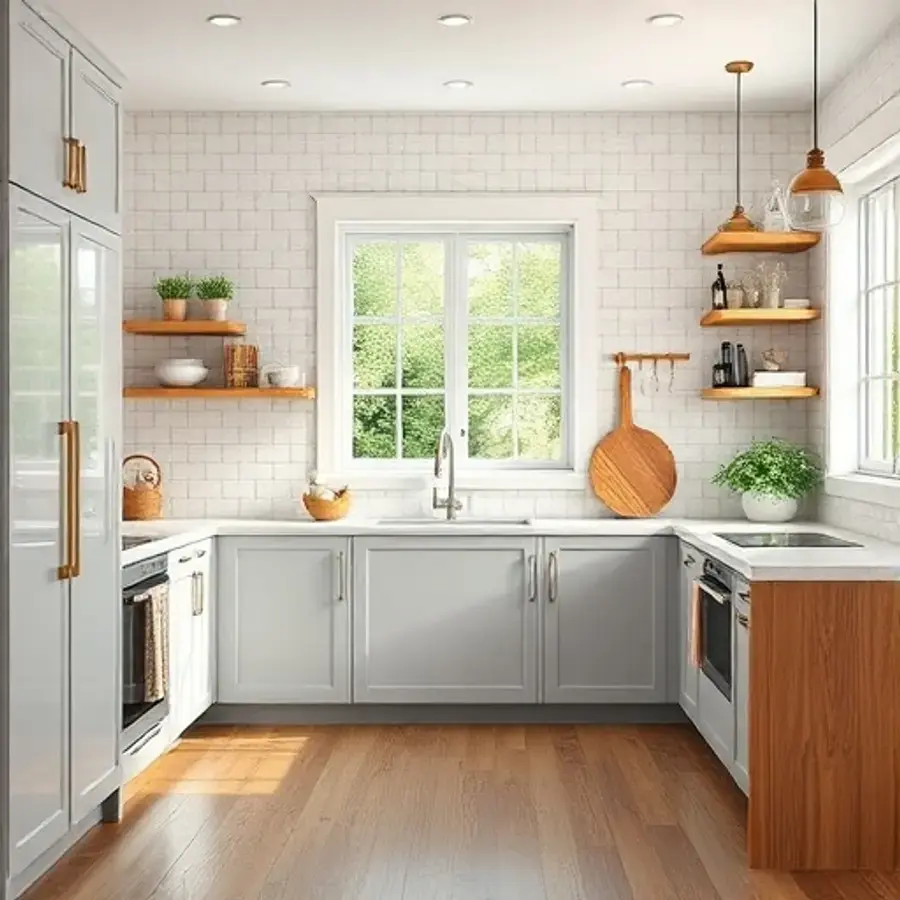

Designing a kitchen that is both stylish and efficient can be a daunting task. Many homeowners struggle with creating a space that balances functionality with aesthetic appeal. This common challenge often leads to cluttered countertops, inefficient workflows, and a lack of harmony in the heart of the home. In “The Science of Kitchen Decor: Principles for an Efficient Space,” we explore how to transform your kitchen into a well-organized and visually pleasing area by applying key design principles. This article provides valuable insights into the world of kitchen decor, focusing on practical solutions that enhance both form and function. You’ll learn about the importance of layout, the role of color schemes, and how to choose materials that withstand daily wear and tear. We also delve into the psychology of space, explaining how strategic design choices can impact your mood and productivity. For instance, studies show that well-organized kitchens can reduce meal preparation time by up to 30%, freeing up more time for family and relaxation. Our expert guidance is grounded in the latest interior design trends and backed by research, ensuring that the advice you receive is both current and reliable. Whether you’re planning a complete kitchen overhaul or just looking to make a few impactful changes, this article will equip you with the knowledge needed to make informed decisions. By the end, you’ll have a clear understanding of how to create a kitchen that not only meets your practical needs but also reflects your personal style. Dive in to discover how the science of kitchen decor can transform your space into an efficient and inviting hub of your home.
🏗️
📚 Table of Contents
The Science of Kitchen Decor: Principles for an Efficient Space
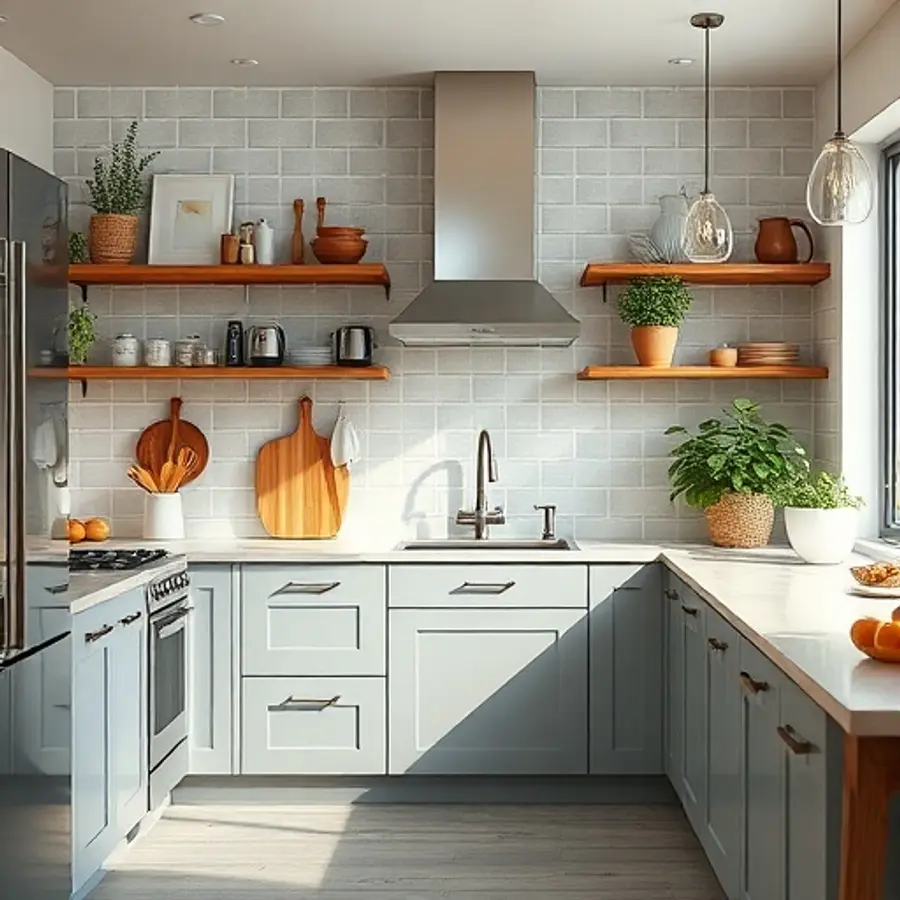
Creating an efficient kitchen space involves understanding some key principles. These principles help in making the kitchen both functional and visually appealing.
What is the Work Triangle?
The work triangle is a classic kitchen design principle. It connects the stove, sink, and refrigerator. These are the most used areas in a kitchen.
Ideally, the distance between these points should be between 12 and 26 feet. This ensures easy movement and efficiency. For example, if your stove is too far from the sink, it can make cooking cumbersome.
How Does Lighting Impact Kitchen Efficiency?
Proper lighting is crucial in a kitchen. It enhances visibility and safety. Use a combination of ambient, task, and accent lighting.
Ambient lighting covers the overall space. Task lighting focuses on specific areas like countertops. Accent lighting highlights features like cabinets.
For instance, under-cabinet lights can make food preparation easier.
Why is Storage Important?
Effective storage solutions keep a kitchen organized. Use cabinets, drawers, and shelves wisely. Consider pull-out shelves for easy access.
Vertical storage can maximize space in small kitchens. For example, hanging pots and pans can free up cabinet space. This makes the kitchen more efficient and clutter-free.
What Role Does Color Play in Kitchen Decor?
Color influences the mood and perception of space. Light colors can make a small kitchen feel larger. Bold colors can add personality and warmth.
Consider using neutral tones for a timeless look. For instance, a white kitchen with colorful accents can feel both modern and inviting. Choose colors that reflect your style and complement the rest of your home.
Conclusion
In wrapping up our exploration of kitchen decor, it’s clear that a well-designed kitchen is more than just a pretty space. It’s a blend of functionality and style that can make cooking more enjoyable and efficient. By understanding the principles of kitchen decor, such as the importance of layout, color schemes, and lighting, you can transform your kitchen into a space that meets your needs and reflects your personality. The layout is crucial. It should allow easy movement and access to essential areas like the stove, sink, and refrigerator. Color schemes can set the mood, with lighter colors making a space feel larger and more inviting. Meanwhile, proper lighting is essential for both functionality and ambiance, ensuring you can see clearly while preparing meals and creating a warm atmosphere for family gatherings. Incorporating these elements thoughtfully can enhance your kitchen’s efficiency and aesthetic appeal. Whether you’re planning a full remodel or just a few updates, remember that each choice you make contributes to the overall harmony of the space. With these insights, you’re well-equipped to create a kitchen that is both practical and beautiful. Now, it’s time to bring your vision to life and enjoy the heart of your home.