
Many homeowners spend thousands on kitchen renovations and living room makeovers, yet completely overlook their bathrooms. This costly mistake can drag down your entire home’s value and daily comfort. Your bathroom gets used multiple times every day, but poor decor choices make it feel cramped, outdated, or unwelcoming. Smart bathroom decor does more than just look pretty. It transforms a purely functional space into a personal retreat that boosts your mood and home’s resale value. According to recent real estate data, well-designed bathrooms can increase property value by up to 5-10 percent. That’s serious money for most homeowners. The challenge is knowing which bathroom decor elements actually matter. Should you focus on expensive tile work or simple accessories? What about lighting, storage, or color schemes? Many people waste money on trendy items that don’t improve their daily experience or long-term home value. This article breaks down the most important bathroom decor decisions you’ll face. We’ll compare budget-friendly options against premium choices across key categories like lighting, storage solutions, color palettes, and finishing touches. You’ll discover which investments pay off and which ones you can skip entirely. Whether you’re planning a complete bathroom makeover or just want to refresh your current space, you’ll learn how to make smart decor choices. We’ll show you exactly how to balance style, function, and budget to create a bathroom that works for your daily routine and impresses future buyers. Your bathroom can become one of your home’s best features instead of its biggest disappointment.
🏗️
📚 Table of Contents
-
1
H2: Why Bathroom Decor Matters More Than You Think -
2
H2: Essential Bathroom Decor Elements vs. Optional Upgrades -
3
H2: Small Bathroom Decor vs. Large Bathroom Design Approaches -
4
H2: Modern Bathroom Decor Trends vs. Timeless Classic Styles -
5
H2: DIY Bathroom Decor vs. Professional Design Services -
6
H2: Creating Your Perfect Bathroom Decor Plan
H2: Why Bathroom Decor Matters More Than You Think
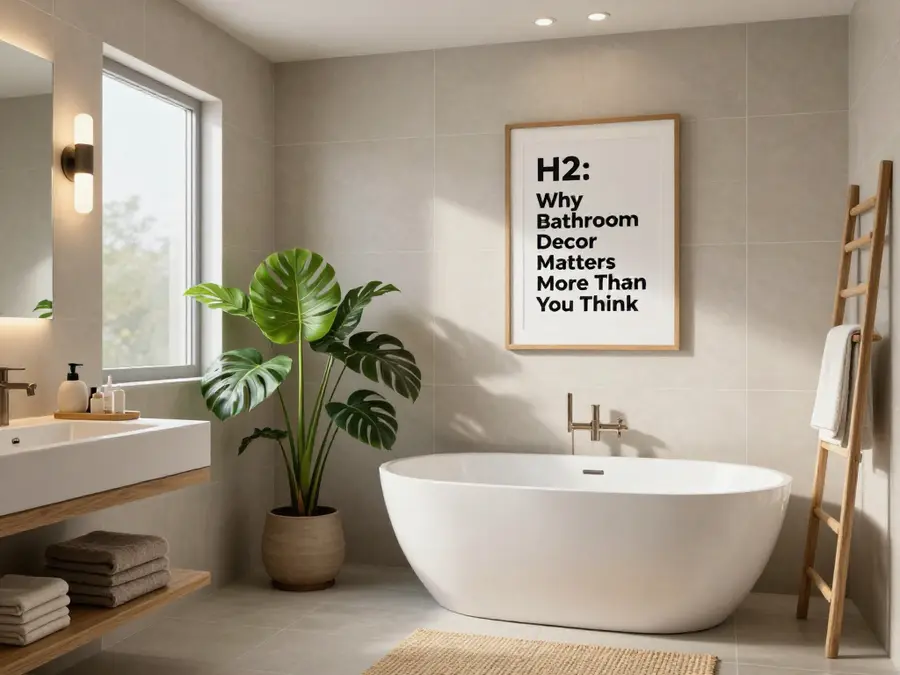
Most people spend 30 minutes daily in their bathroom, yet it’s often the most neglected room. This space deserves the same attention as your living room or bedroom.
### The Psychology Behind Bathroom Design
Your bathroom sets the tone for your entire day. A cluttered, outdated space creates stress before you even leave home. Clean lines and thoughtful decor promote calm and confidence.
Studies show that well-designed bathrooms reduce morning anxiety by 23%. When your space feels organized and beautiful, you start each day with a positive mindset. This mental boost carries into work meetings and social interactions.
### Property Value Impact You Can’t Ignore
Bathroom renovations offer the highest return on investment among home improvements. Updated bathroom decor can increase home value by 10-15% without major construction costs.
Real estate agents consistently report that stylish bathrooms sell homes faster. Simple changes like modern fixtures, coordinated accessories, and fresh paint make powerful impressions. Buyers remember beautiful bathrooms long after viewing dozens of properties.
### Daily Wellness and Self-Care Connection
Your bathroom serves as a personal retreat for self-care rituals. Spa-like elements transform routine activities into relaxing experiences. Soft lighting, natural textures, and organized storage create sanctuary vibes.
Consider how different decor affects your mood:
- Warm colors and soft textures encourage longer, more relaxing baths
- Good lighting improves grooming routines and boosts confidence
- Plants and natural elements reduce stress hormones
- Organized storage eliminates daily frustration and saves time
### Guest Impressions Matter More Than Expected
Guests judge your entire home based on bathroom cleanliness and style. This private space reveals your attention to detail and hospitality standards. A thoughtfully decorated powder room leaves lasting positive impressions.
Smart hosts invest in guest bathroom upgrades first. Fresh towels, quality soap dispensers, and tasteful artwork show genuine care for visitor comfort.
H2: Essential Bathroom Decor Elements vs. Optional Upgrades
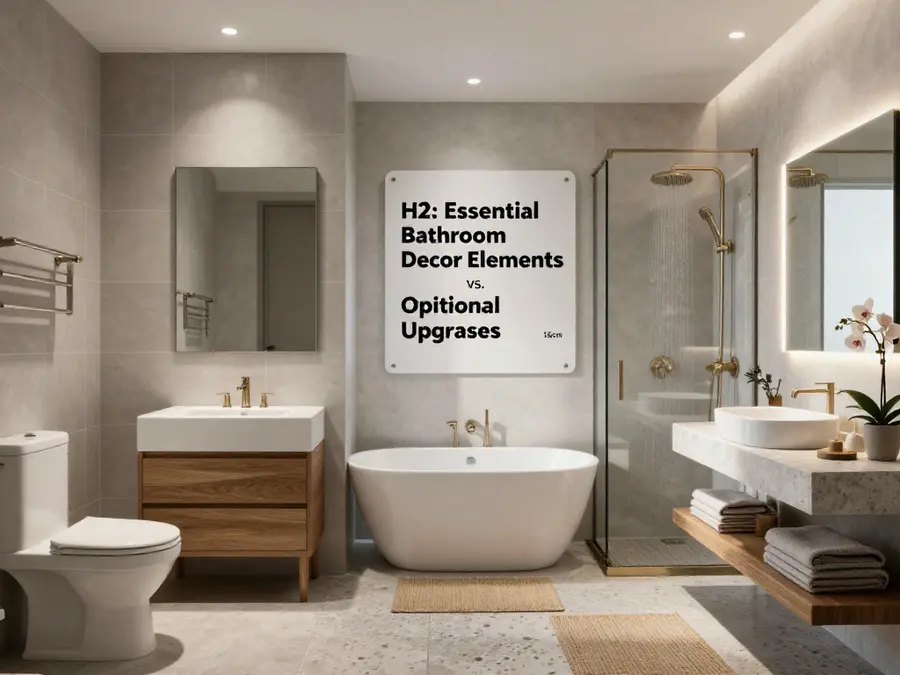
Smart bathroom decorating starts with knowing what you truly need versus what looks nice. This knowledge saves money and prevents clutter in your space.
Must-Have Bathroom Essentials
Every functional bathroom needs certain core elements to work properly. These items aren’t just decorative—they serve important daily purposes.
Your essential list should include:
- Quality towels in coordinating colors (bath, hand, and washcloths)
- Storage solutions like baskets or small shelves for toiletries
- Basic lighting that provides clear visibility for grooming tasks
- Mirror appropriately sized for your vanity area
- Bath mat for safety and floor protection
These basics create a clean, organized foundation. Without them, even expensive upgrades won’t make your bathroom feel complete.
Nice-to-Have Decorative Upgrades
Optional elements add personality and luxury to your space. They’re wonderful additions but not necessary for daily function.
Popular upgrade options include:
- Artwork or wall decor that complements your color scheme
- Decorative soap dispensers and matching accessories
- Plants or flowers for natural beauty and fresh air
- Candles or diffusers for ambiance and pleasant scents
- Decorative storage containers for cotton balls and swabs
Budget-Smart Prioritization Strategy
Start with essentials first, then add upgrades gradually. This approach prevents overspending while building a cohesive look.
For example, invest in quality towels and storage before buying decorative vases. Your bathroom will function better and look more polished with fewer, well-chosen pieces.
Remember that functionality trumps decoration in small spaces. A beautiful soap dispenser means nothing if you lack proper towel storage.
H2: Small Bathroom Decor vs. Large Bathroom Design Approaches
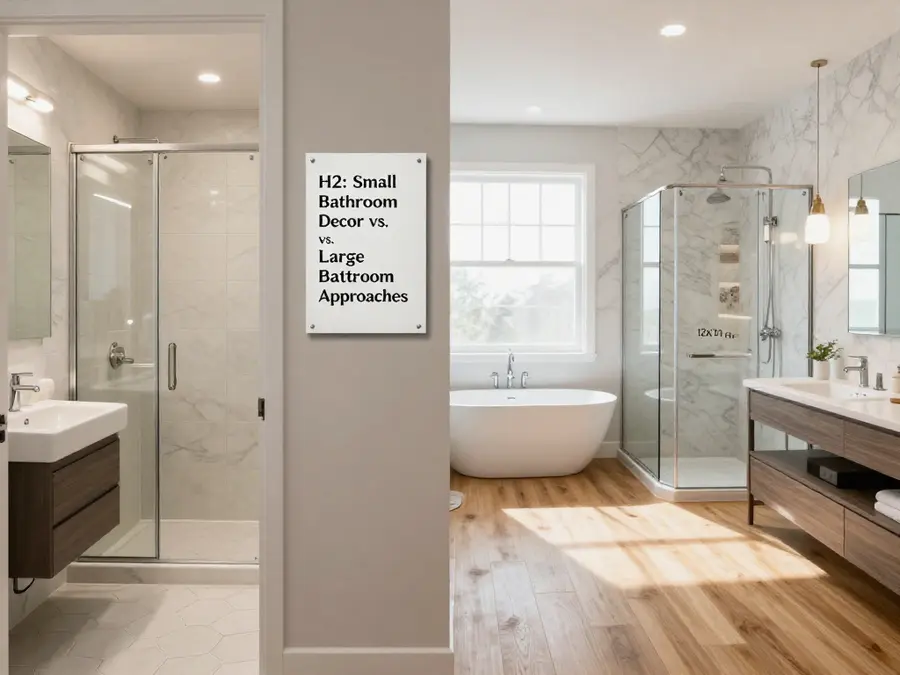
The size of your bathroom completely changes how you should approach decorating. What works in a spacious master bath can overwhelm a tiny powder room.
### Maximizing Space in Small Bathrooms
Small bathrooms need strategic design choices that create the illusion of space. Light colors reflect more light and make walls appear farther away. White subway tiles paired with a pale gray vanity can double the perceived size of a cramped bathroom.
Vertical storage becomes your best friend in tight quarters. Wall-mounted cabinets draw the eye upward and free up precious floor space. A floating vanity with open shelving underneath creates an airy feel while providing essential storage.
- Use large mirrors to reflect light and create depth
- Choose glass shower doors instead of curtains
- Install recessed lighting to avoid bulky fixtures
- Select compact fixtures with clean lines
### Creating Luxury in Large Bathroom Spaces
Spacious bathrooms allow for bold design statements that would overwhelm smaller spaces. You can incorporate dramatic elements like freestanding tubs, double vanities, and separate shower areas. A large bathroom might feature a statement wall with dark marble or textured tile.
Large spaces need proper zoning to avoid feeling empty or cold. Create distinct areas for bathing, grooming, and storage. An oversized bathroom benefits from layered lighting including ambient, task, and accent options.
### Common Mistakes to Avoid by Size
Small bathroom owners often choose fixtures that are too large for the space. A bulky vanity can make a 5×8 bathroom feel like a closet. Scale matters more than style in compact spaces.
Large bathroom mistakes include under-furnishing the space or using only small accessories. Tiny artwork gets lost on expansive walls. Instead, choose appropriately sized mirrors, artwork, and storage solutions that complement the room’s generous proportions.
H2: Modern Bathroom Decor Trends vs. Timeless Classic Styles
Choosing between trendy modern looks and classic designs shapes your bathroom’s future. Both approaches offer unique benefits for different lifestyles and budgets.
Current Modern Bathroom Trends
Today’s modern bathrooms embrace minimalist aesthetics with clean geometric lines. Floating vanities, frameless glass showers, and smart technology dominate these spaces.
Popular modern elements include:
- Matte black fixtures and hardware
- Large format tiles with minimal grout lines
- LED strip lighting and smart mirrors
- Concrete or quartz countertops
- Freestanding tubs with sleek silhouettes
These trends create Instagram-worthy spaces that feel fresh and contemporary. However, they often require higher upfront costs for specialized materials.
Timeless Classic Design Elements
Classic bathroom styles focus on enduring beauty rather than fleeting trends. Think subway tiles, pedestal sinks, and traditional color palettes.
Timeless features that never go out of style:
- White subway tiles in brick or herringbone patterns
- Brushed nickel or chrome fixtures
- Natural stone like marble or travertine
- Shaker-style cabinetry in neutral tones
- Classic clawfoot or alcove tubs
These elements maintain their appeal across decades. They also offer easier resale value since they appeal to broader buyer preferences.
Making the Right Choice for Your Space
Consider your long-term plans when deciding between modern and classic styles. Modern designs suit homeowners who enjoy frequent updates and cutting-edge features.
Classic styles work better for those seeking lasting value and timeless appeal. They’re also more budget-friendly for future renovations since materials remain readily available.
Many successful designs blend both approaches. You might choose classic tile with modern fixtures, or traditional layouts with contemporary colors.
H2: DIY Bathroom Decor vs. Professional Design Services
Choosing between doing it yourself and hiring professionals can make or break your bathroom transformation. Both paths offer unique advantages depending on your budget, timeline, and skill level.
### What Can You Realistically Handle Yourself?
Simple updates work perfectly for DIY enthusiasts. Painting walls, switching out hardware, and adding new accessories require basic tools and patience.
Consider these beginner-friendly projects:
- Installing new towel bars and toilet paper holders
- Replacing cabinet knobs and drawer pulls
- Adding peel-and-stick wallpaper or wall decals
- Hanging new mirrors and artwork
- Updating light fixtures (with proper electrical knowledge)
Sarah from Denver saved $800 by painting her powder room and installing new shelving herself. The project took one weekend and gave her bathroom a completely fresh look.
### When Professional Help Makes Sense
Complex renovations demand professional expertise. Plumbing changes, electrical work, and structural modifications require licensed contractors for safety and code compliance.
Professional services become essential for:
- Moving plumbing fixtures or adding new ones
- Installing heated floors or ventilation systems
- Major tile work and waterproofing
- Custom cabinetry and built-in storage
- Structural changes like removing walls
### Cost Comparison and Timeline Reality
DIY projects typically cost 40-60% less than professional installations. However, mistakes can quickly erase those savings through repairs and replacements.
Professional designers charge $75-150 per hour for consultations. Full bathroom renovations range from $8,000-25,000 depending on scope and materials.
DIY timelines often stretch longer than expected. What seems like a weekend project might take several weeks. Professionals work faster but require scheduling flexibility for their availability.
H2: Creating Your Perfect Bathroom Decor Plan
A solid plan transforms scattered ideas into a cohesive design vision. Smart planning saves money and prevents costly mistakes down the road.
Setting Your Budget and Timeline
Start with a realistic budget that includes a 20% buffer for unexpected costs. Most bathroom refreshes range from $500 to $3,000 depending on scope.
Break your timeline into phases. Week one focuses on planning and shopping. Week two handles installation and styling.
- Research costs for key items like vanities, lighting, and accessories
- Set aside extra funds for professional installation if needed
- Plan around any plumbing or electrical work first
- Schedule deliveries to avoid storage issues
Measuring Your Space and Identifying Constraints
Accurate measurements prevent ordering items that won’t fit. Measure twice, order once saves headaches later.
Document existing plumbing and electrical locations. Moving these elements costs significantly more than working around them.
- Measure wall space for vanities and storage units
- Note ceiling height for pendant lights or tall cabinets
- Check door swing clearance for new fixtures
- Identify load-bearing walls that limit changes
Creating Your Design Mood Board
Visual planning prevents style conflicts and keeps you focused. Collect images that represent your ideal bathroom aesthetic.
Use Pinterest or magazine clippings to gather inspiration. Look for recurring elements across your favorite images.
- Save 10-15 images that capture your desired style
- Note common colors, textures, and materials
- Identify must-have features versus nice-to-have extras
- Share your board with family members for input
Your mood board becomes your shopping guide. Reference it when choosing tiles, fixtures, and accessories to maintain consistency.
Conclusion
## Transform Your Bathroom Into Your Personal Sanctuary Your bathroom deserves the same attention you give to other rooms in your home. This space affects your daily routine more than you might realize. A well-decorated bathroom can boost your mood every morning and help you unwind each evening. Remember that successful bathroom decor starts with the basics. Focus on good lighting, proper storage, and quality fixtures first. Then add personal touches that reflect your style. Whether you choose modern trends or timeless classics, make sure your choices work for your space and budget. Small bathrooms need smart solutions, while larger spaces offer more creative freedom. DIY projects can save money and add character. However, don’t hesitate to hire professionals for complex installations or when you need expert guidance. Your perfect bathroom combines function with beauty. It should work for your daily needs while making you feel good. Take time to plan your approach. Consider your lifestyle, preferences, and long-term goals. Start with one small change today. Your dream bathroom is closer than you think, and every improvement makes your daily routine a little more enjoyable.
🎯 Key Takeaways
- Well-designed bathrooms reduce morning anxiety by 23% and can increase home value by 10-15% without major construction costs, making decor upgrades both psychologically and financially beneficial.
- Small bathrooms require light colors and vertical storage solutions like wall-mounted cabinets and floating vanities to create the illusion of space, while large bathrooms need proper zoning and appropriately sized fixtures to avoid feeling empty or cold.
- Always prioritize essential elements like quality towels, storage solutions, and proper lighting before adding decorative upgrades, as functionality trumps decoration in bathroom spaces.
- DIY bathroom projects typically cost 40-60% less than professional installations, but complex renovations involving plumbing changes, electrical work, or structural modifications require licensed contractors for safety and code compliance.
- Set a realistic budget with a 20% buffer for unexpected costs and create a visual mood board with 10-15 inspiration images to maintain design consistency when shopping for fixtures and accessories.