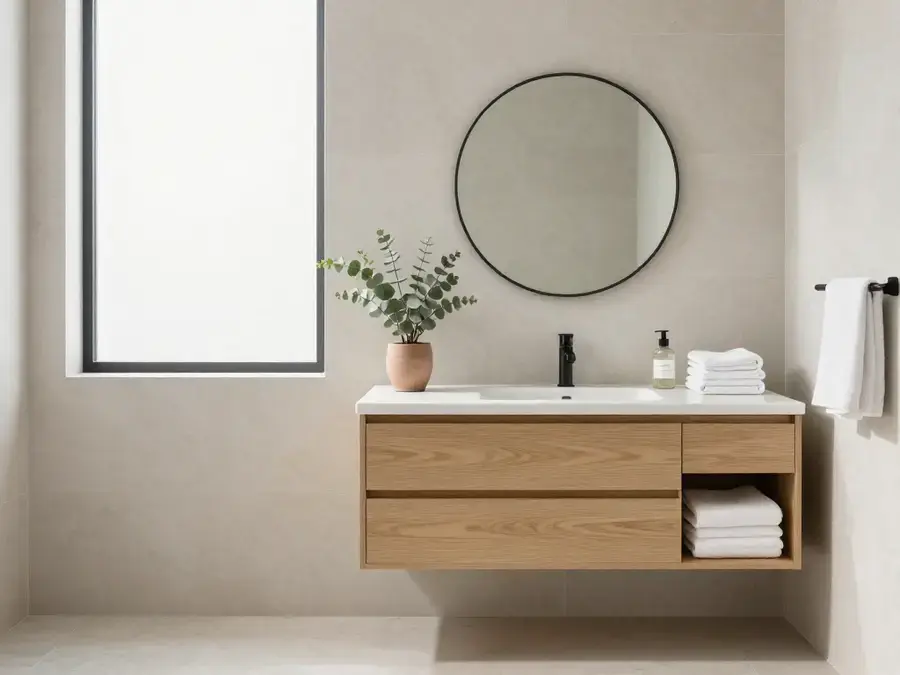

Your bathroom feels cramped, outdated, or simply uninviting every morning. This common frustration affects millions of homeowners who underestimate how thoughtful bathroom decor can transform their daily routines. The right design choices don’t just improve aesthetics—they create a space that energizes you each day. According to recent home improvement surveys, bathrooms rank as the second most renovated room in American homes. Yet many people focus only on fixtures while ignoring decor elements that deliver maximum impact for minimal cost. Smart bathroom decor choices can make small spaces feel larger, create calming atmospheres, and even increase your home’s value. This comprehensive comparison will guide you through the most effective bathroom decor strategies available today. You’ll discover how different color schemes, lighting options, storage solutions, and accent pieces stack up against each other. We’ll examine the pros and cons of popular approaches like minimalist designs versus bold statement walls, natural materials versus modern synthetics, and budget-friendly updates versus premium investments. Our analysis draws from interior design experts, homeowner satisfaction data, and real-world case studies. You’ll learn which decor choices deliver the best return on investment and which common mistakes to avoid. Whether you’re working with a powder room or master bathroom, rental restrictions or unlimited budgets, this guide provides clear recommendations tailored to your specific situation. By the end, you’ll have the knowledge to make confident bathroom decor decisions that transform your space into a personal retreat you actually enjoy using.
📋
📚 Table of Contents
How Bathroom Decor Impacts Employee Well-Being and Productivity

Smart companies know that workplace design affects employee satisfaction. The bathroom might seem like a minor detail, but it plays a bigger role than most HR leaders realize.
The Psychology Behind Clean, Well-Designed Restrooms
Employees form opinions about their workplace within seconds of entering any space. A dirty or poorly maintained bathroom sends a clear message about company values. Workers notice when soap dispensers are empty or when fixtures look outdated.
Research shows that workplace cleanliness directly impacts stress levels. When employees worry about basic hygiene facilities, their focus shifts away from work tasks. Clean, modern bathrooms create a sense of pride and professionalism.
How Bathroom Quality Affects Daily Productivity
Poor bathroom conditions force employees to seek alternatives during work hours. Some workers drive to nearby coffee shops or restaurants just to use clean facilities. This behavior wastes valuable time and disrupts workflow.
Well-designed bathrooms encourage employees to stay on-site during breaks. Features like proper lighting, ventilation, and comfortable spaces make a real difference. Small improvements often yield surprising productivity gains.
The Connection Between Facilities and Employee Retention
Exit interviews reveal interesting patterns about workplace dissatisfaction. Employees rarely cite bathroom quality as their primary reason for leaving. However, poor facilities contribute to an overall negative workplace experience.
Companies with thoughtfully designed restrooms report higher employee satisfaction scores. Workers feel valued when employers invest in their comfort and well-being. This attention to detail builds loyalty and reduces turnover costs.
Creating Positive First Impressions for New Hires
New employees notice everything during their first week. A welcoming bathroom environment reinforces positive hiring decisions. Fresh paint, modern fixtures, and pleasant scents create lasting impressions.
Smart HR teams include facility tours in their onboarding process. They highlight recent improvements and maintenance standards. This approach demonstrates the company’s commitment to employee comfort from day one.
Essential Elements of Professional Bathroom Design
Creating professional bathroom spaces in workplace environments requires careful attention to both functionality and employee comfort. The right design elements can significantly impact workplace satisfaction and productivity.
Layout and Space Optimization
Efficient traffic flow prevents bottlenecks during peak usage times. Wide entryways and clear sight lines help employees move comfortably without feeling crowded.
Consider these space planning essentials:
- Minimum 36-inch clearance between fixtures
- ADA-compliant stall dimensions (60 inches deep minimum)
- Separate entrance and exit paths when possible
- Strategic placement of hand-washing stations
Lighting and Ventilation Systems
Poor lighting creates safety hazards and uncomfortable experiences. Layered lighting combines overhead fixtures with task lighting near mirrors.
Proper ventilation prevents moisture buildup and odors. Install exhaust fans rated for the square footage, typically 1 CFM per square foot. Motion sensors ensure systems activate automatically when employees enter.
Material Selection for Durability
High-traffic commercial bathrooms demand materials that withstand constant use. Porcelain tiles resist stains and moisture better than natural stone options.
Smart material choices include:
- Non-slip flooring with textured surfaces
- Solid surface countertops that resist bacteria
- Powder-coated metal partitions for longevity
- Antimicrobial paint finishes on walls
Privacy and Comfort Features
Employee comfort directly affects workplace morale and retention. Full-height stall doors provide better privacy than standard 58-inch options.
Sound masking through white noise systems or background music helps maintain privacy. Comfortable seating areas or changing stations accommodate employees with different needs, including nursing mothers or those with mobility challenges.
Budget-Friendly vs. Premium Bathroom Decor Options
Your bathroom renovation budget doesn’t have to break the bank. Smart choices can create stunning results whether you spend $200 or $2,000.
Affordable Decor Solutions That Deliver Impact
Budget-friendly options focus on high-impact changes with minimal investment. Fresh paint transforms any space for under $50. Choose moisture-resistant formulas in light colors to make small bathrooms feel larger.
Peel-and-stick tiles offer a quick flooring update without professional installation. These cost around $2-4 per square foot compared to $8-15 for ceramic tiles. Modern designs look surprisingly realistic and last 3-5 years with proper care.
Simple accessories make huge differences too. New towels, a stylish shower curtain, and coordinated storage baskets cost under $100 total. Sarah from Denver completely refreshed her guest bathroom for $85 using this approach.
Premium Options for Long-Term Value
Higher-end investments focus on durability and luxury features. Natural stone tiles, custom vanities, and designer fixtures create spa-like experiences. These upgrades typically cost $1,500-5,000 but last decades.
Premium materials resist wear better than budget alternatives. Quartz countertops never need sealing unlike marble. Quality faucets include lifetime warranties while cheaper versions fail within 2-3 years.
Smart Mixing Strategies
The best approach combines both budget and premium elements strategically. Invest in permanent fixtures like lighting and plumbing while saving on easily replaceable items.
- Splurge on quality vanity and mirror (used daily)
- Save on decorative accessories and artwork
- Choose mid-range flooring for balance
- Invest in good ventilation to protect all investments
This hybrid strategy maximizes your renovation dollars. You get lasting quality where it matters most while keeping costs reasonable overall.
Creating an Inclusive and Accessible Bathroom Environment
Building truly inclusive workplace bathrooms requires thoughtful planning beyond basic compliance. Smart design choices can transform these spaces into welcoming environments for all employees.
Universal Design Features That Work
Start with grab bars that blend seamlessly into your overall design aesthetic. Modern options come in brushed gold, matte black, or chrome finishes that complement contemporary bathroom decor. Position them at multiple heights to accommodate different users.
Choose lever-style handles instead of round knobs for easier operation. Install motion-sensor faucets and soap dispensers to reduce physical barriers. These features benefit everyone while creating a more hygienic environment.
- Wide doorways (minimum 32 inches) for wheelchair access
- Adjustable-height mirrors or multiple mirror levels
- Clear floor space of at least 30 by 48 inches
- Emergency call buttons within reach of toilet areas
Gender-Neutral and Family-Friendly Options
Single-occupancy restrooms offer privacy and flexibility for all users. They work especially well in smaller offices where separate facilities might not be practical. Include a fold-down changing table for employees who are parents.
Clear, simple signage helps everyone navigate confidently. Use pictograms alongside text to overcome language barriers. Consider family restroom designations for spaces that accommodate caregivers with dependents.
Sensory Considerations for Neurodivergent Employees
Harsh fluorescent lighting can trigger discomfort for some employees. Install dimmable LED fixtures or add warm accent lighting to create a calmer atmosphere.
Sound management matters too. Soft-close toilet seats reduce sudden noises. Choose hand dryers with adjustable volume settings or provide paper towel alternatives for noise-sensitive individuals.
- Matte finishes to reduce glare and visual overwhelm
- Consistent color schemes throughout the space
- Minimal pattern use in wall coverings or flooring
Maintenance and Longevity Considerations for Bathroom Decor
Smart maintenance choices today prevent costly replacements tomorrow. Your bathroom decor investment deserves protection from daily wear and moisture damage.
Choosing Durable Materials That Last
Ceramic and porcelain accessories resist humidity better than wood or fabric options. Metal fixtures with proper coatings won’t rust in steamy conditions.
Natural stone requires sealing every six months to prevent water stains. Glass shelving stays beautiful with minimal care but needs safety film in high-traffic areas.
- Stainless steel towel bars resist corrosion and fingerprints
- Sealed bamboo offers eco-friendly durability with proper treatment
- Acrylic organizers won’t crack like cheaper plastic alternatives
- Powder-coated metals maintain color longer than painted surfaces
Daily Care Routines That Preserve Beauty
Wipe down surfaces after each shower to prevent soap scum buildup. This simple habit extends the life of mirrors, fixtures, and decorative elements.
Use microfiber cloths on delicate finishes to avoid scratching. Harsh chemicals can damage protective coatings on faucets and hardware.
Weekly deep cleaning prevents permanent staining on grout and natural materials. Address water spots immediately before they become etched marks.
When to Replace vs. Refresh Decor Elements
Replace items showing rust, cracks, or permanent discoloration after five years. These issues signal material breakdown that cleaning can’t fix.
Refresh paint, caulking, and soft accessories every two to three years instead. This approach costs less while maintaining a fresh appearance.
- Hardware lasts 10-15 years with quality materials
- Mirrors need replacement when silvering deteriorates
- Textiles should be swapped seasonally for hygiene
- Plants require monthly rotation to prevent mold growth
Budget-Friendly Longevity Strategies
Invest more upfront in permanent fixtures like lighting and storage. Save money on easily replaceable items like shower curtains and bath mats.
Create a maintenance schedule to track when items need attention. This prevents emergency replacements that cost more than planned updates.
Conclusion
Creating a welcoming bathroom space doesn’t have to be overwhelming or expensive. The key is finding the right balance between style, function, and budget. Simple changes like fresh paint, updated fixtures, or new accessories can transform any bathroom. These small updates make a big difference in how the space feels. Remember that good bathroom decor serves everyone who uses the space. Choose designs that work for people of all ages and abilities. This approach creates a more comfortable environment for family and guests alike. Quality materials and easy-to-clean surfaces will save you time and money in the long run. Whether you’re working with a tight budget or planning a major renovation, focus on the basics first. Good lighting, proper ventilation, and clean lines never go out of style. Add personal touches through towels, artwork, or plants to make the space feel uniquely yours. Your bathroom should be a place where you feel relaxed and refreshed. With thoughtful planning and smart choices, you can create a space that looks great and works perfectly for your daily routine. Start small, think practical, and let your personality shine through in the details.
🎯 Key Takeaways
- Poor bathroom conditions force employees to leave the workplace during work hours to seek clean facilities at nearby coffee shops or restaurants, directly disrupting workflow and wasting valuable time.
- Install exhaust fans rated at 1 CFM per square foot and use layered lighting that combines overhead fixtures with task lighting near mirrors to ensure proper ventilation and safety in high-traffic commercial bathrooms.
- Strategically mix budget and premium elements by investing in permanent fixtures like quality vanities and lighting while saving on easily replaceable decorative accessories to maximize renovation dollars.
- Choose lever-style handles instead of round knobs and install motion-sensor faucets to create universal accessibility while also improving hygiene for all users.
- Replace bathroom decor items showing rust, cracks, or permanent discoloration after five years, but refresh paint, caulking, and soft accessories every two to three years to maintain appearance at lower cost.